The setting of your favourite festival. Or a designer lamp made from recycled materials. As a spatial designer, you shape spaces and objects. This could include the interior of a restaurant, for example, or the styling for a photoshoot.
The first year of the programme is an orientation phase. From the second year onwards, you will specialise in one of four areas: Productdesign, Eventdesign, Interiordesign or Styling.
In the final phase of the programme, you can broaden your skills and knowledge by taking optional modules and masterclasses, for example.
More information about the specialisations:
- Interiordesign
- Styling
- Productdesign
- Eventdesign
Open Days and ourse choice evenings
8 November 2026 from 10.00 till 15.00 p.m.
30 January 2027, from 10:00 a.m. to 3:00 p.m.
9 March 2027, from 5:00 p.m. to 8:00 p.m.
15 April 2027, from 5:00 p.m. to 8:00 p.m.
11 May 2027, from 5:00 p.m. to 8:00 p.m.
Location and Programme duration/level
Boxtel
4 years
Directions
Interiordesign
Eventdesign
Productdesign
Styling
Admission requirements
Minimum diploma vmbo-kaderberoepsgerichte leerweg or transition certificate from havo 3 to 4
Diploma
Spatial designer
Training certificate number: 25811
Cost
On this page you will find more information about costs for the course.
What do I do and make?
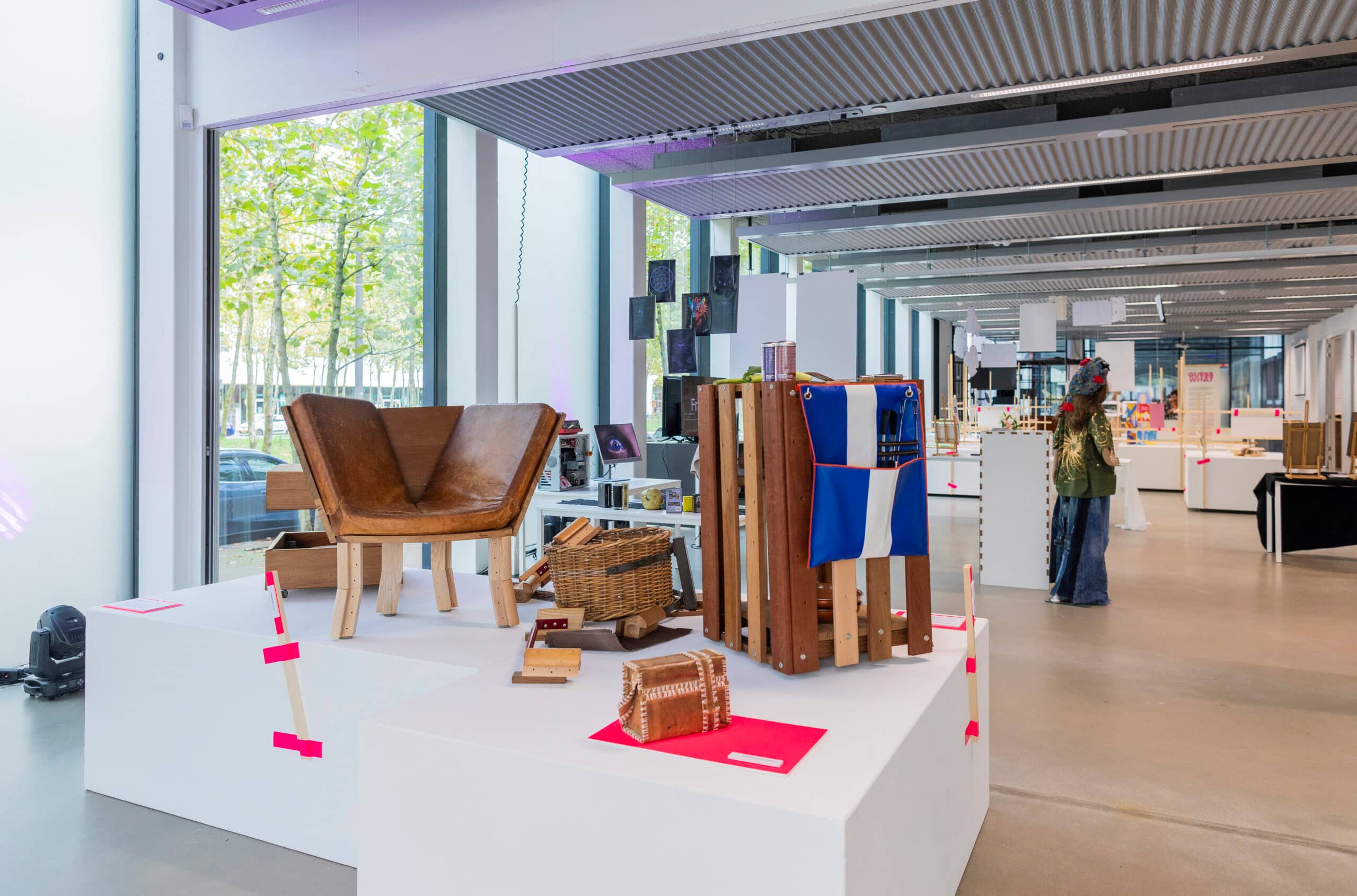
What do you do and make within the four directions?
Event
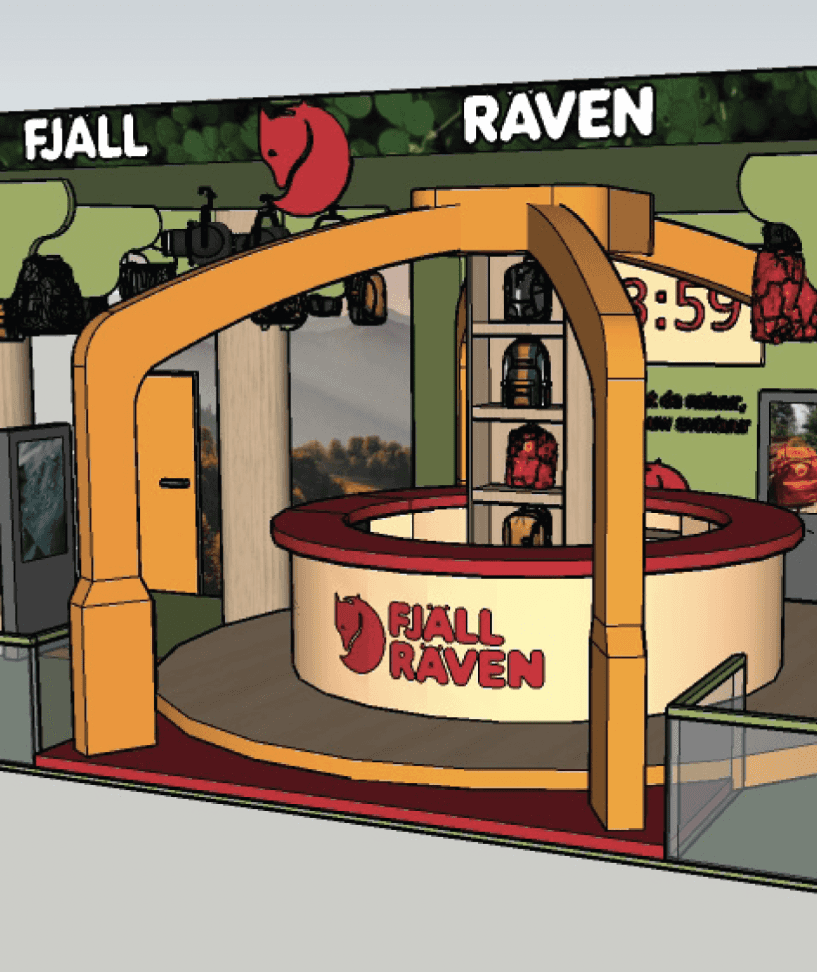
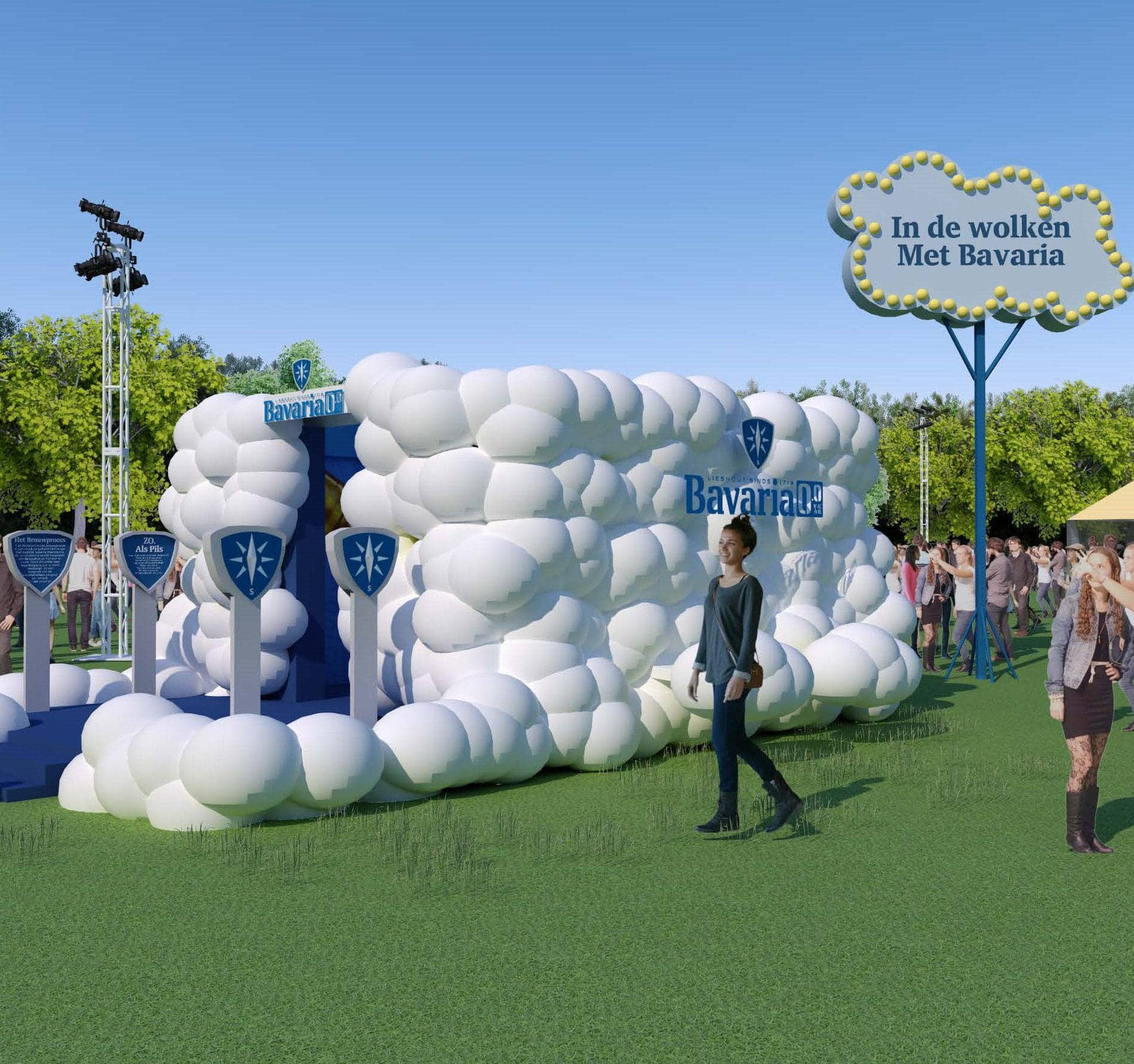
Here, you focus, among other things, on designing and creating decors for festivals (festival stage) or theatre, trade fair stands for companies, exhibitions for museums and company and product presentations. Within the Event track, you will learn how to make a lasting impression with temporary spaces.
Styling
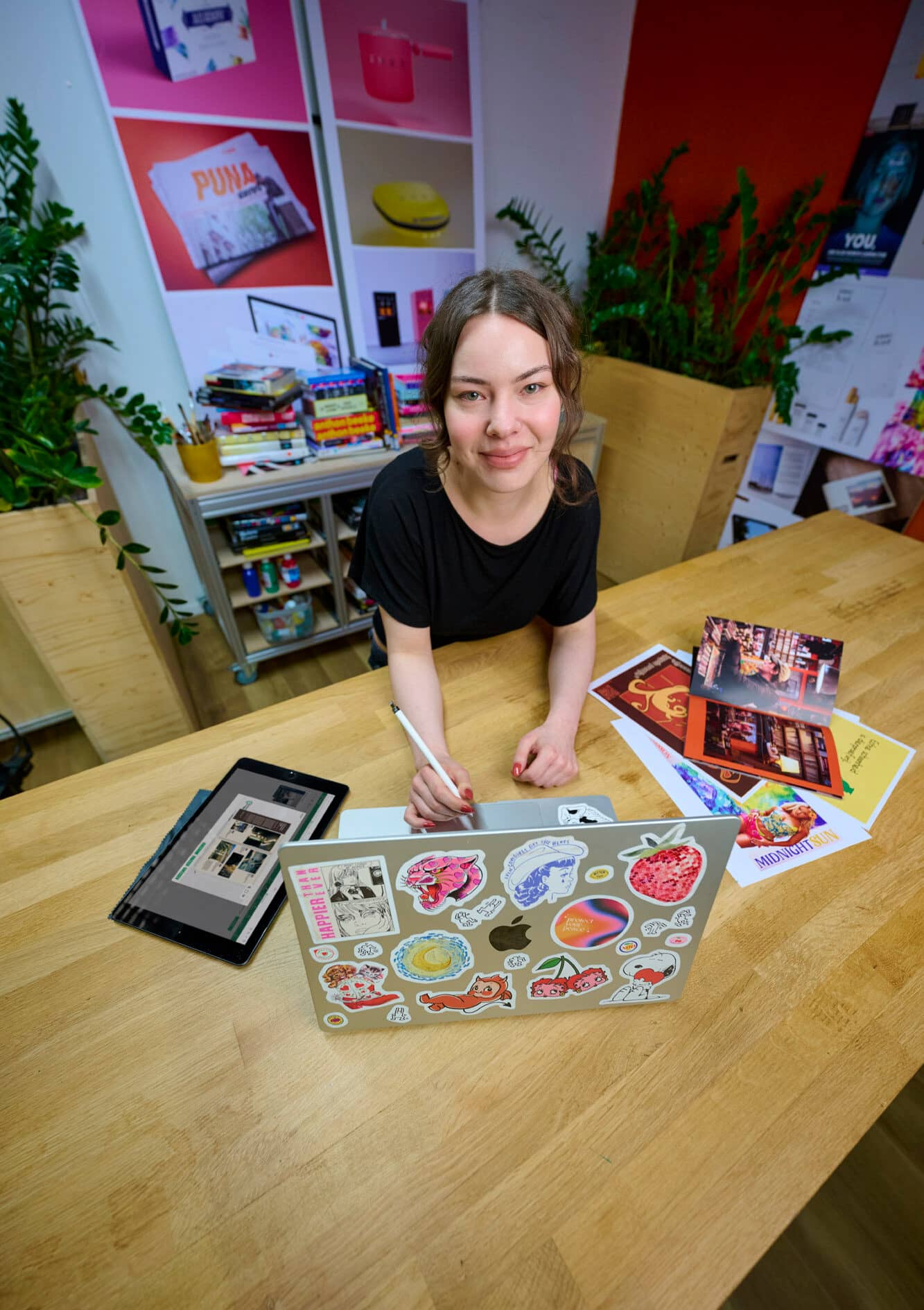
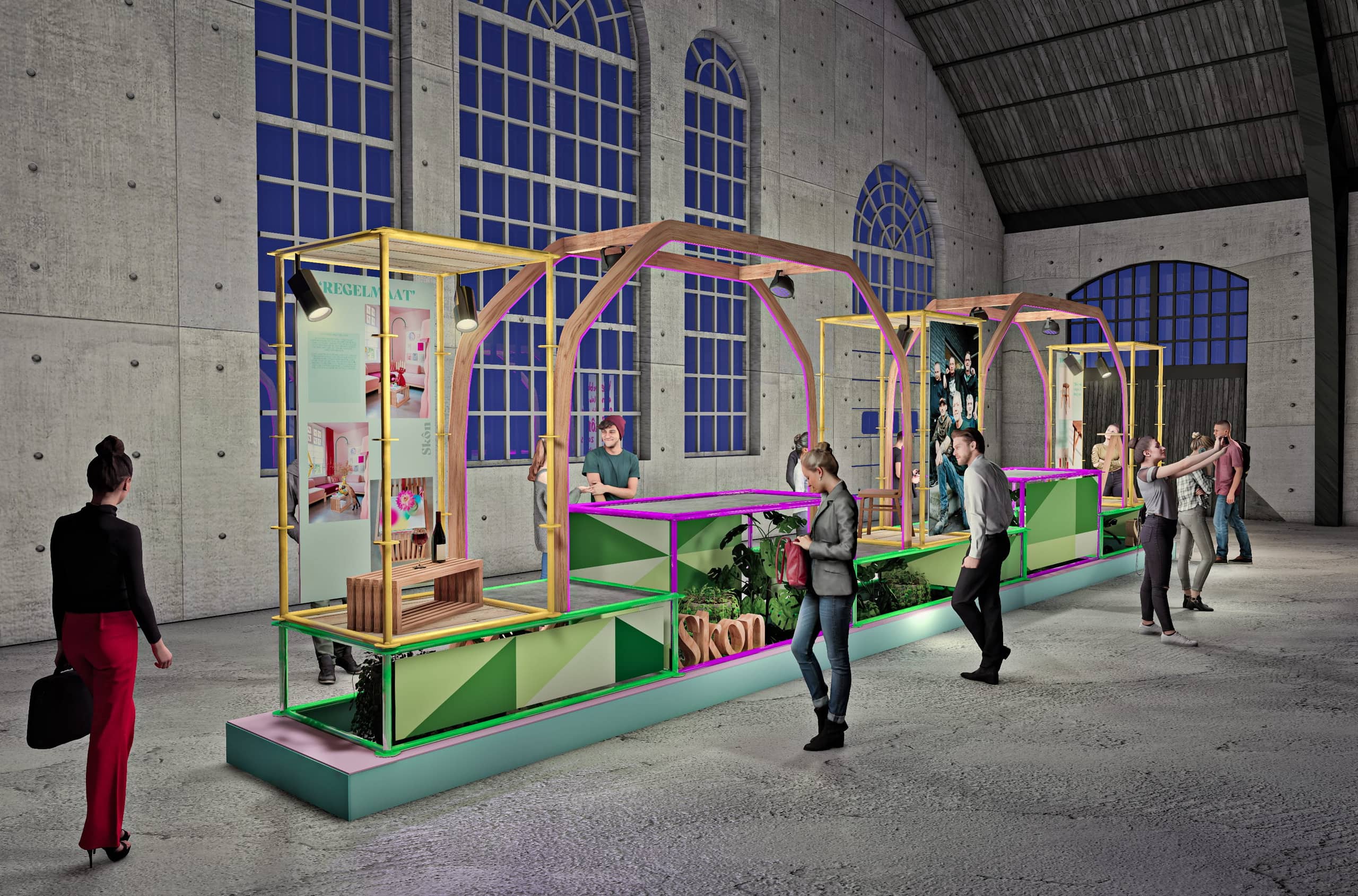
Styling also offers various possibilities. For instance, you could be a photo stylist focusing on editorial, fashion, product or food styling or set dressing. A visual merchandiser who designs an entire shop presentation. A window dresser focusing on shop windows and in-store presentations. Or an event stylist working on pop-up events, weddings or corporate events.
Product
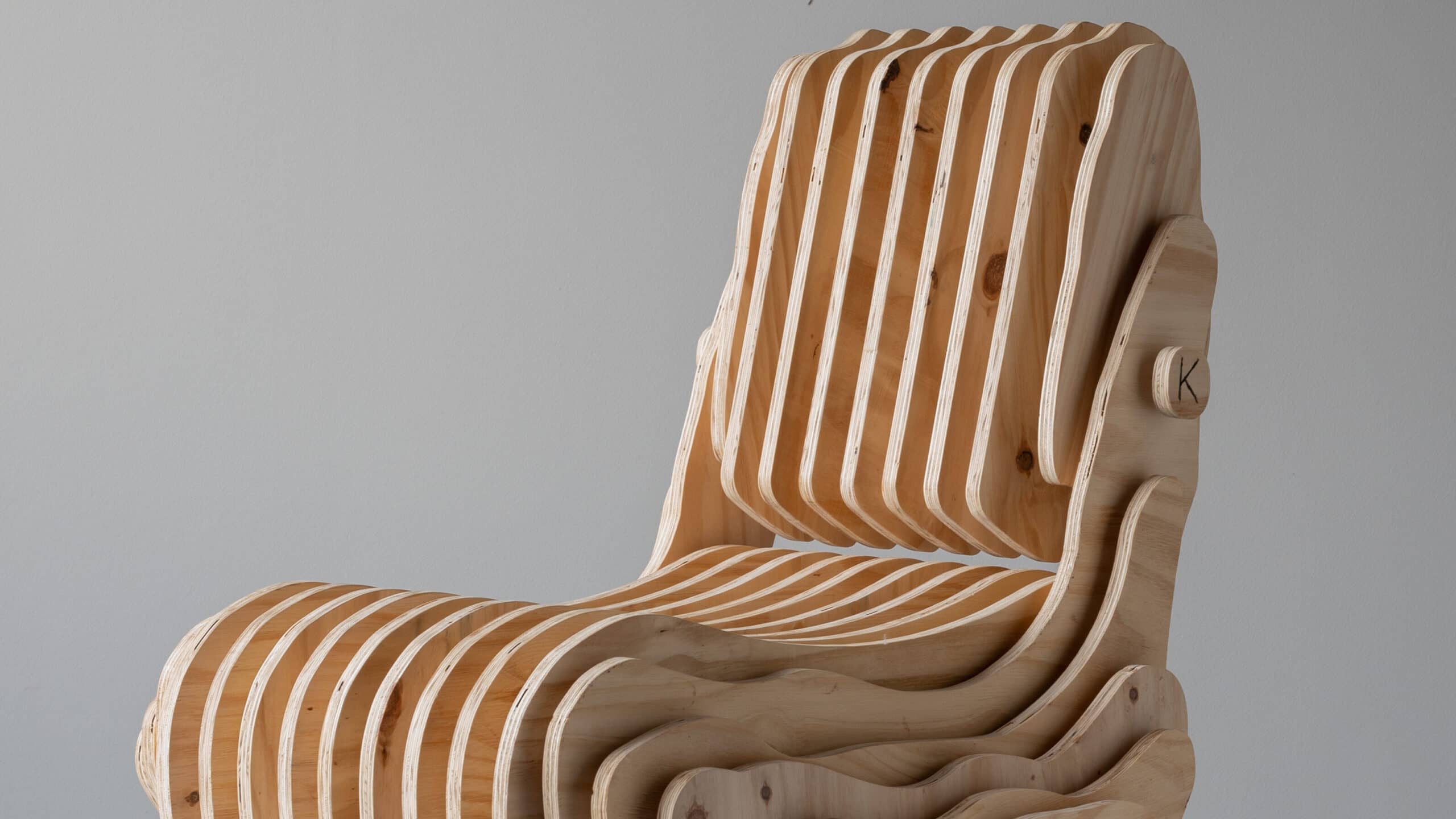
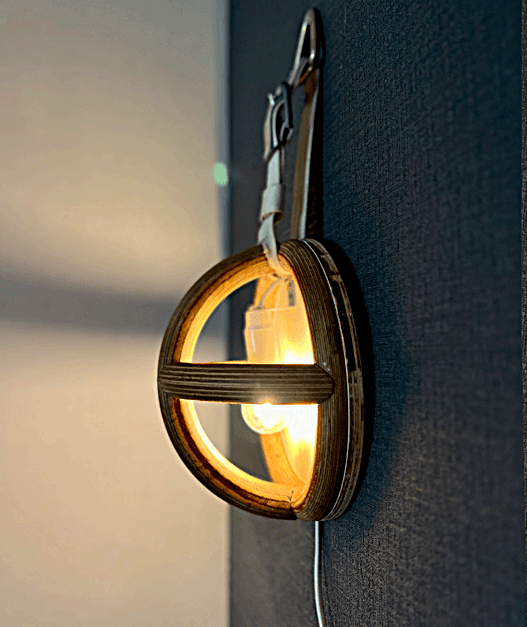
As a product designer, you design objects such as household items, promotional gifts, furniture and lighting objects, or, for example, packaging for (non-)food products. You can also think of designing store displays to promote a product.
Interior
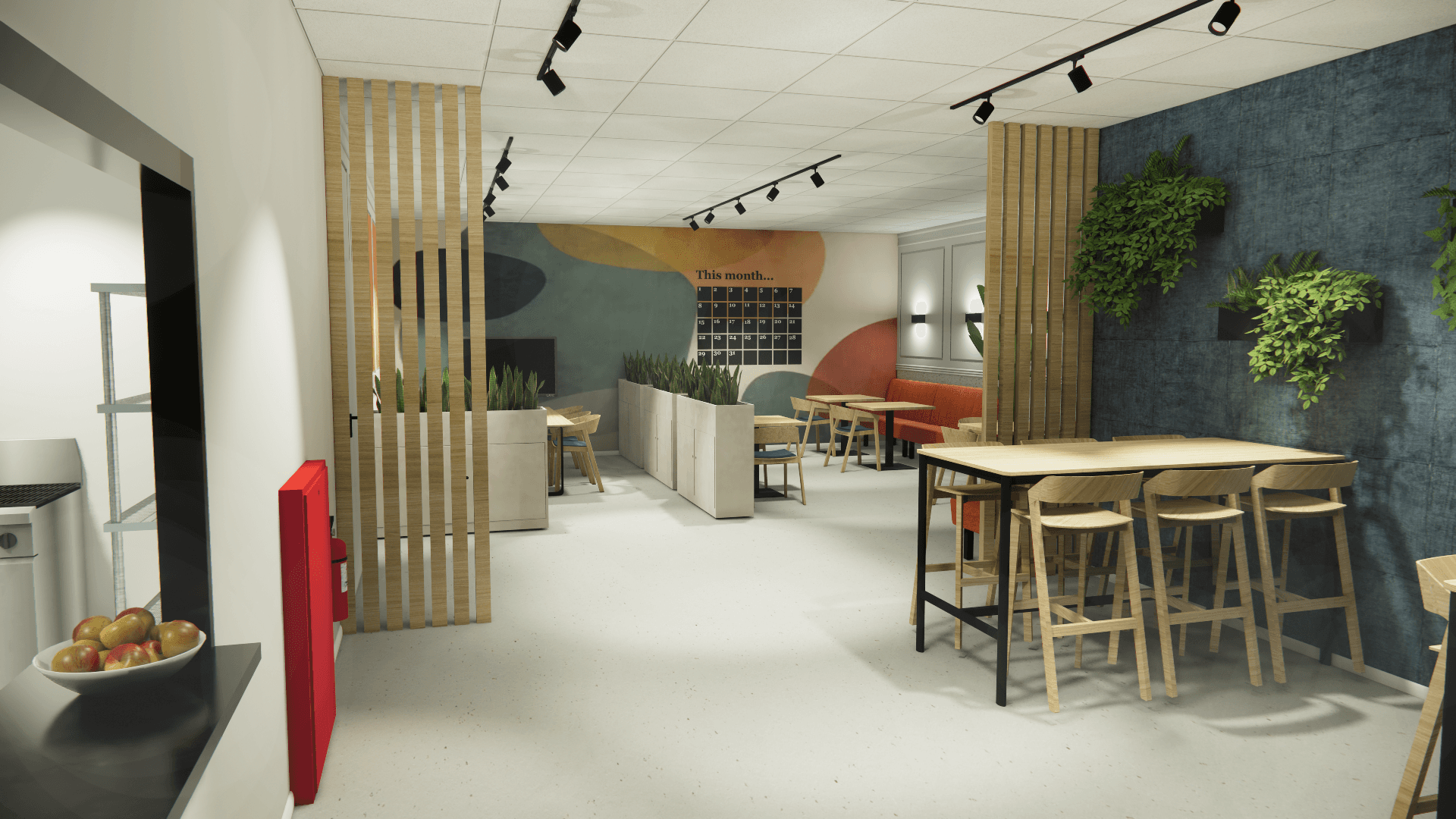
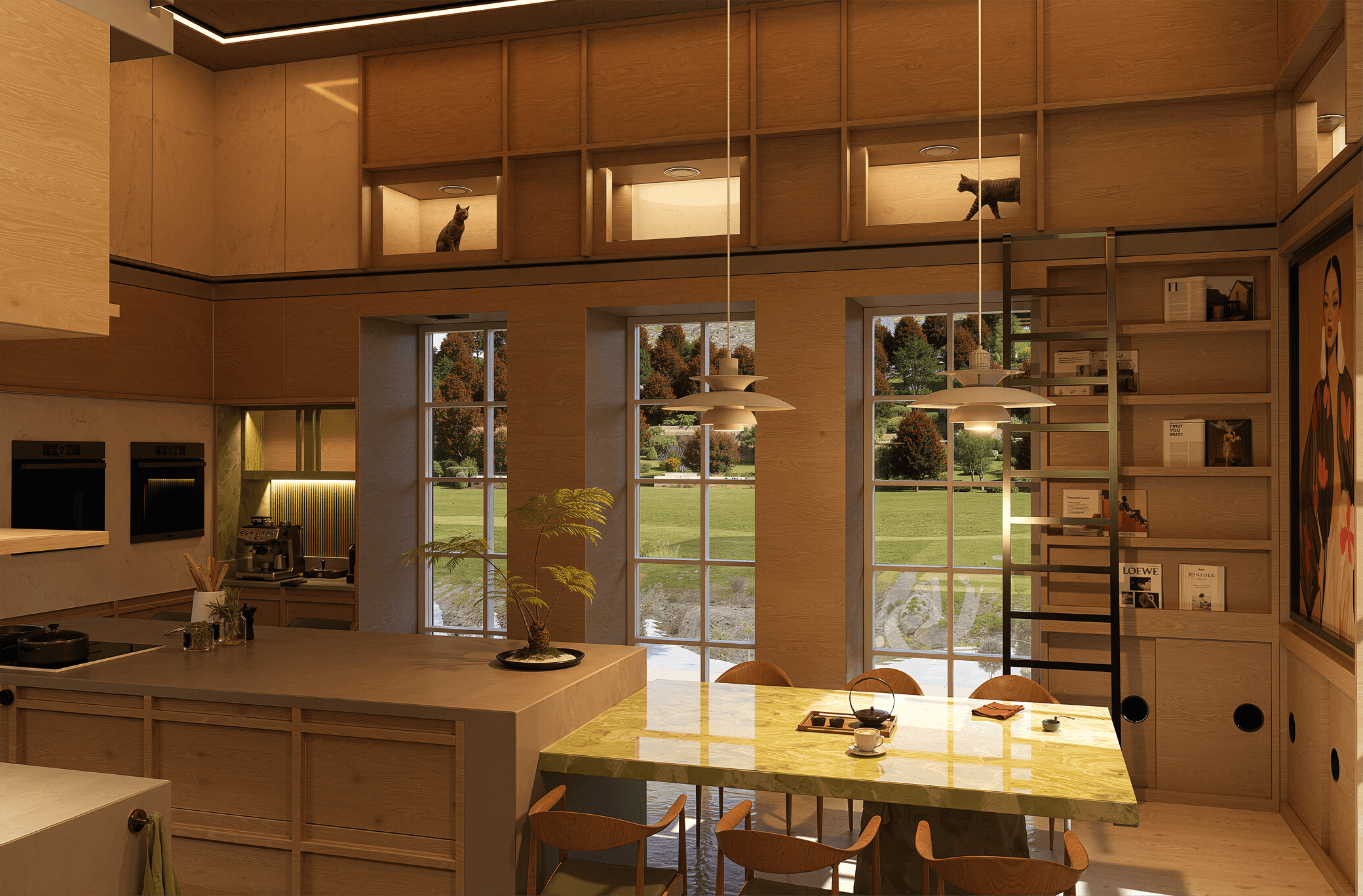
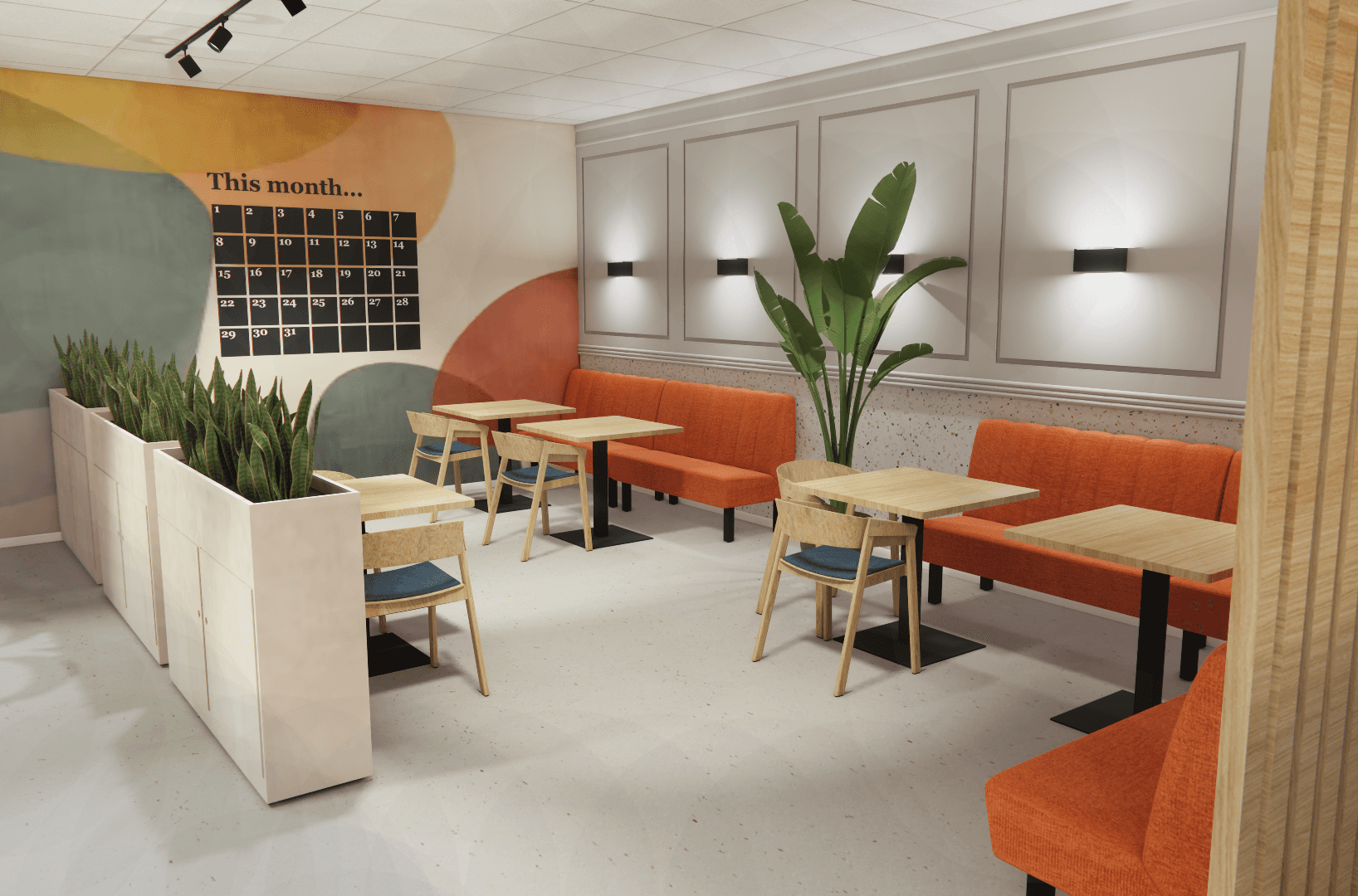
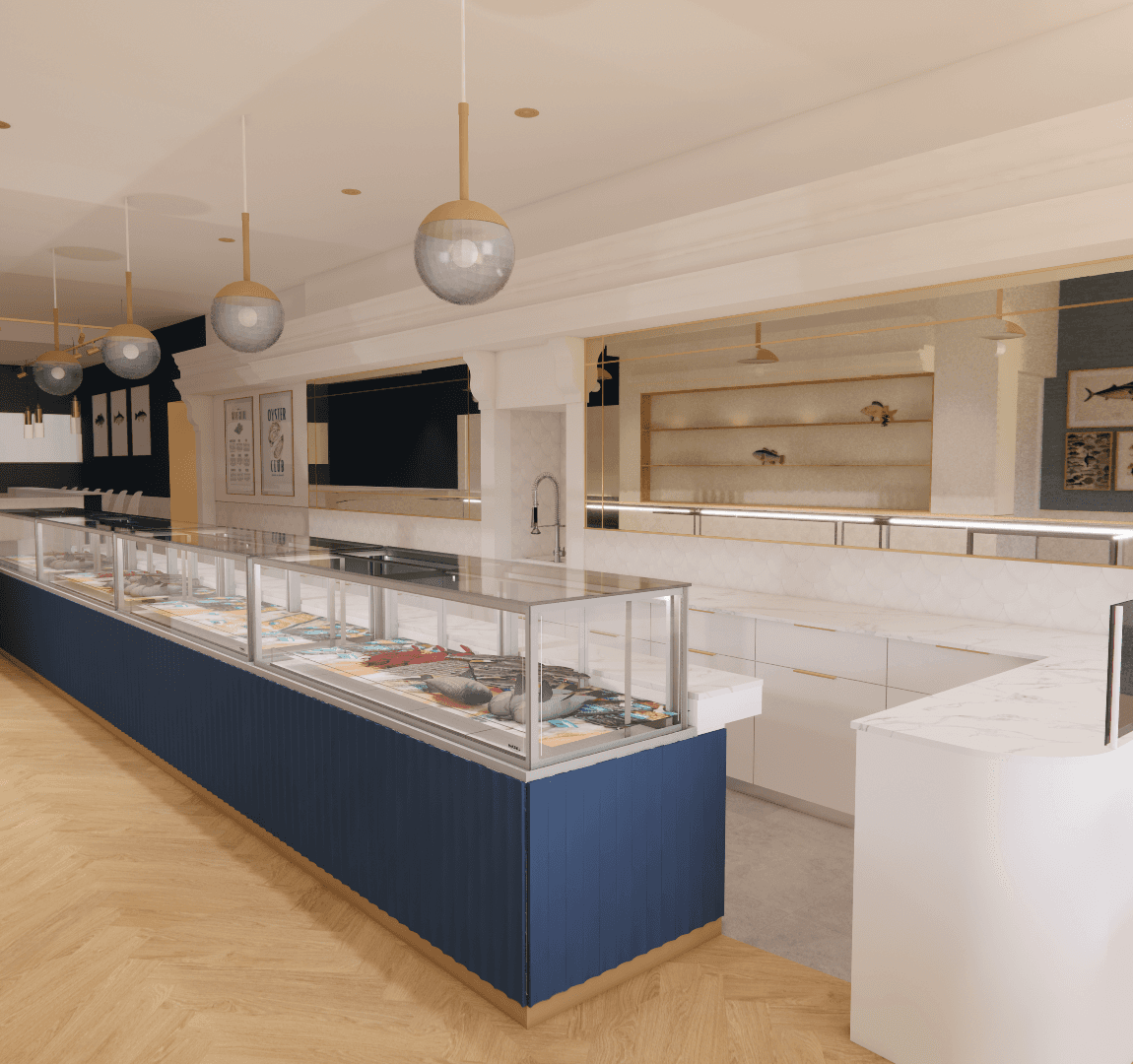
You design interiors for residential houses, offices or catering establishments, among others. You will also design custom-made furniture for interiors, such as a bar or wall unit. Designing an entrance, façade or other outdoor space is also one of the possibilities.
What do I learn?
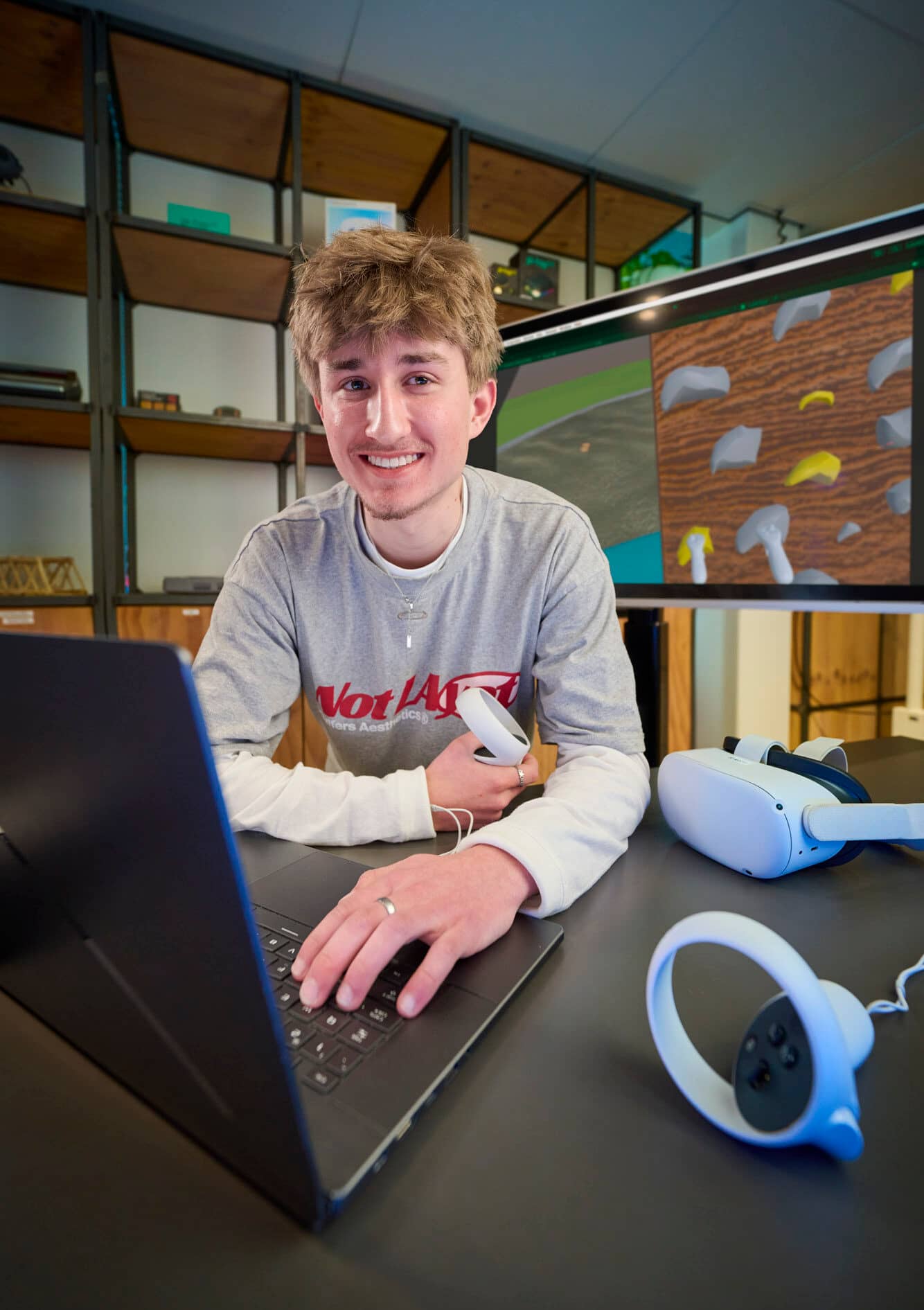
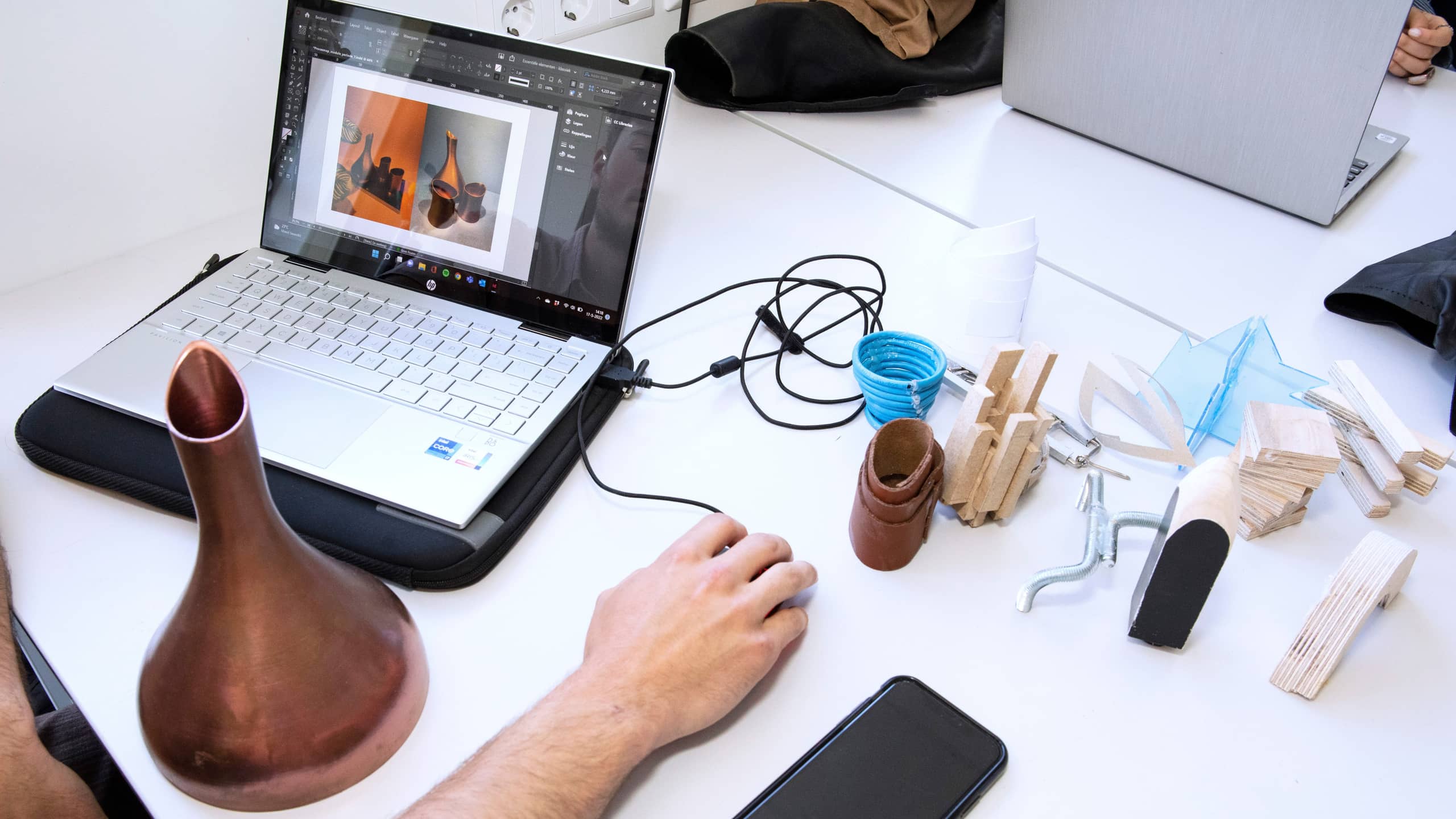
During the Spatial Design programme, you develop knowledge and skills in the field of design, composition, colour and materials, (technical) drawing, concepting, communication, photography and work with digital drawing programmes (such as SketchUp). There is also a lot of focus on the use of new technologies, 3D printing and VR/AR. Of course, general subjects like Dutch, English and maths are also on the programme, and you will study art history and citizenship.
Where do I do my internship?
Depending on your interests and learning wishes, you choose an internship at, for example, an interior designer, a company in the field of product design, interior design or furniture design or a styling agency, a retail company or a place in the media, fashion or events sector. Watch the video of Renske’s internship at KingKongs (interior and design agency) here, the video of Julia’s internship at Toverland amusement park here. And the video of Zep at bol here.
What should I be able to do and like?
As a spatial designer, you have a strong sense of space, functionality and atmosphere. You are also able to put yourself in the target audience’s shoes and enjoy translating their needs and requirements into a suitable design. You understand the applications and properties of different materials and have an eye for sustainability.
Of course, spatial awareness is also essential, as well as having a good sense of communication and business. With an entrepreneurial mindset, you are always looking for new opportunities and building your network. Keeping up with trends and new technologies comes naturally to you, and you are able to translate these into different applications. Finally, you are good at planning and organising.
What can I do after SintLucas?
After this programme, you can work as an interior designer, project designer, interior stylist, furniture designer or product designer. Stylists work for the advertising, retail, fashion and interior industries or as content creators. Event designers often work for stand construction companies, event or festival organisations.
Would you like to continue your studies? Then you are welcome at a large number of art academies or other higher vocational design courses.
Former student Lotte van den Broek studied Spatial Design Event at SintLucas and now works as a Decor Designer at ROXXI in Best. Check out her story here. And former student Teddy Schuyers studied Spatial Design Product at SintLucas and now works as Senior Designer at HEMA in Amsterdam. Watch her story here. Former student Manon Gerlings also studied Interior Design at SintLucas and now runs her own company, Mage Styling. Read her story here.
Former student Michel den Dulk also studied at SintLucas and has now been working at Walt Disney for 15 years. Where he is involved in developing and executing various projects. Read his whole story in this article.
Former students Max van Roosendaal and Kevin Box also studied Spatial Design, specializing in events. They now work at 360 Showdesign. Read Max and Kevin’s story here.
Extra challenge?
Shortened track mbo/havo/vwo
If you are taking your final exams in havo/vwo/mbo-4 this academic year, or if you already have your diploma, you can complete the Spatial Design programme in three years instead of four. Click here for more information.
How does application and admission work?
From 30 October 2026, you can apply through the website and you will receive an invitation for a matching interview. You can bring along creative work or complete an assignment, after which you will receive either a positive or negative study recommendation. You are always eligible for admission and make your own informed choice. We trust that you will make a good study choice with our advice. Read more about application and admission here.
If you have a question about this, please send an e-mail to aanmelding@sintlucas.nl.
Student Fien
“I chose this programme because, especially in the first year, you get a broad introduction to different areas within spatial design. This gives you the opportunity to discover what you really want to focus on within the field. What I really enjoy is being able to develop your ideas using models. The lessons are of a high standard, and you learn a great deal from them.”
Study structure Spatial design
The programme consists of 3 phases spread over 4 years of study. The orientation phase is the first phase. This is where you orient yourself to the breadth of the field of Spatial Design and become acquainted with the four directions within it: styling, interiordesign, eventdesign and productdesign. Besides vocational education, you will be taught the general subjects of art, citizenship, Dutch, English and maths. In vocational education, you will receive real-life practical assignments and skills training that will fill your toolbox as a spatial designer. You will also be introduced to professional practice through a taster internship.
At the end of the Orientation Phase, you will have made a choice in which direction you want to specialise: product, event, interior or styling. Vocational education is entirely focused on your specialisation. You will also choose a number of optional subjects and master classes. You will also have lessons in general subjects, some of which you will conclude with an exam. You complete this phase with a six-month work placement in your chosen field.
Now that you have specialised in a direction, you can choose to specialise even further in your direction or broaden your scope by combining directions. Education consists of projects with real clients, optional subjects and master classes. The subject of art is still offered in this phase. Almost at the end of this phase, you do a work placement in which you profile yourself on the basis of choices you have made.
Study structure Spatial design
Spatial design