Restoring a wall decoration in a building or creating a wall decoration for a theme park. Does that sound interesting? If so, the unique Decorative & Restoration Painting course might be just the thing for you.
You’ll learn a wide range of decorative techniques and discover how to restore an object, interior or exterior. You’ll also create designs for new decorations and bring them to life.
A course that focuses on traditional and modern craftsmanship, teaching you to work using traditional craft techniques. You’ll also gain knowledge of digital techniques.
Open days and course information evenings
8 November 2026 from 10.00 – 15.00
30 January 2027 from 10.00 – 15.00
9 March 2027 from 5.00 pm – 8.00 pm
15 April 2027 from 5.00 pm – 8.00 pm
11 May 2027 from 5.00 pm – 8.00 pm
Location and duration/level of the course
Boxtel
4 years
Level 4
Entry requirements
At least a VMBO vocational qualification (vocational stream) or a certificate of progression from HAVO Year 3 to Year 4.
Diploma
Decorative and restoration painter
Crebonumber for the course: 27005
Costs
On this page, you’ll find more information about the course fees
What do I do?
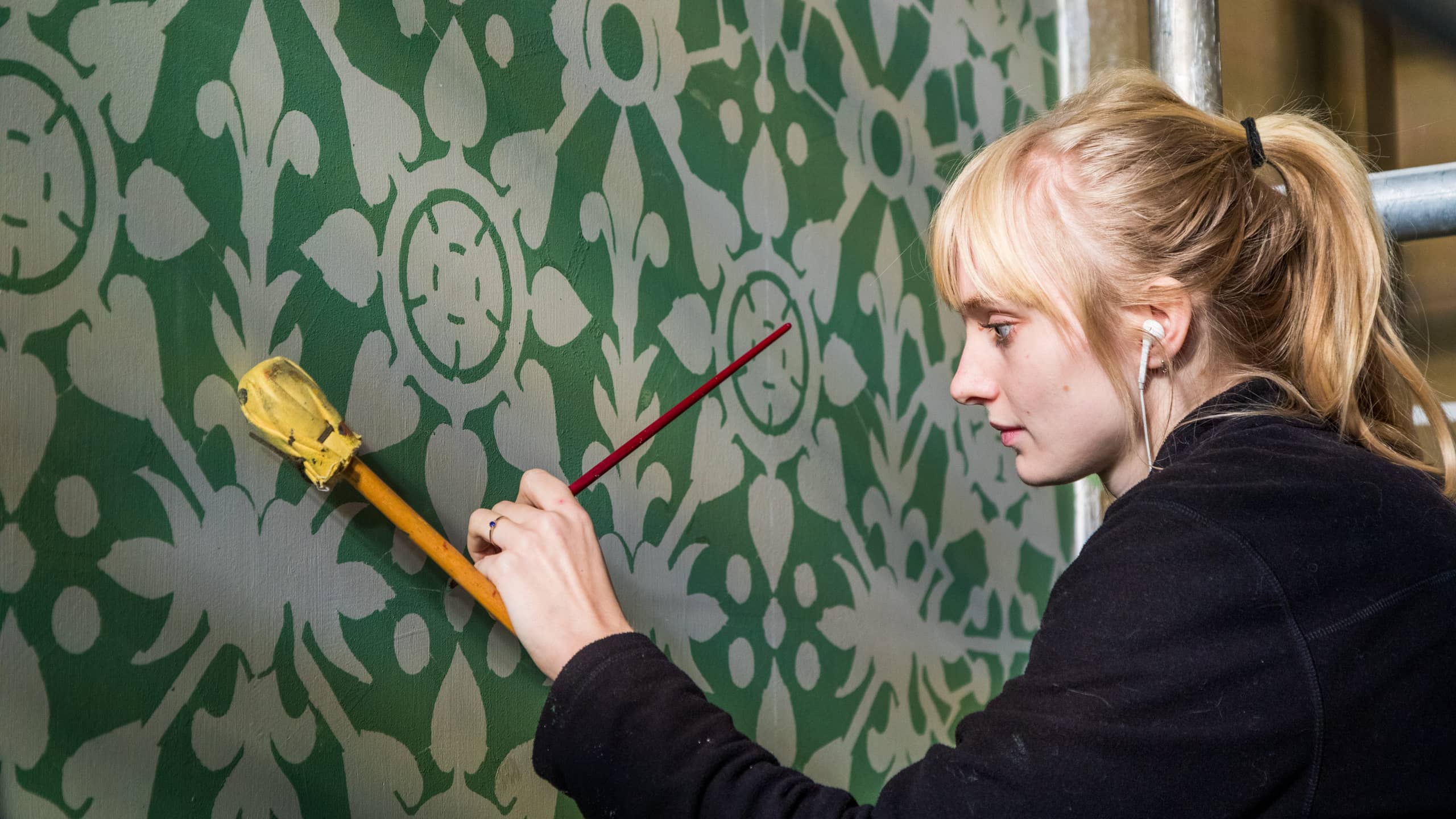
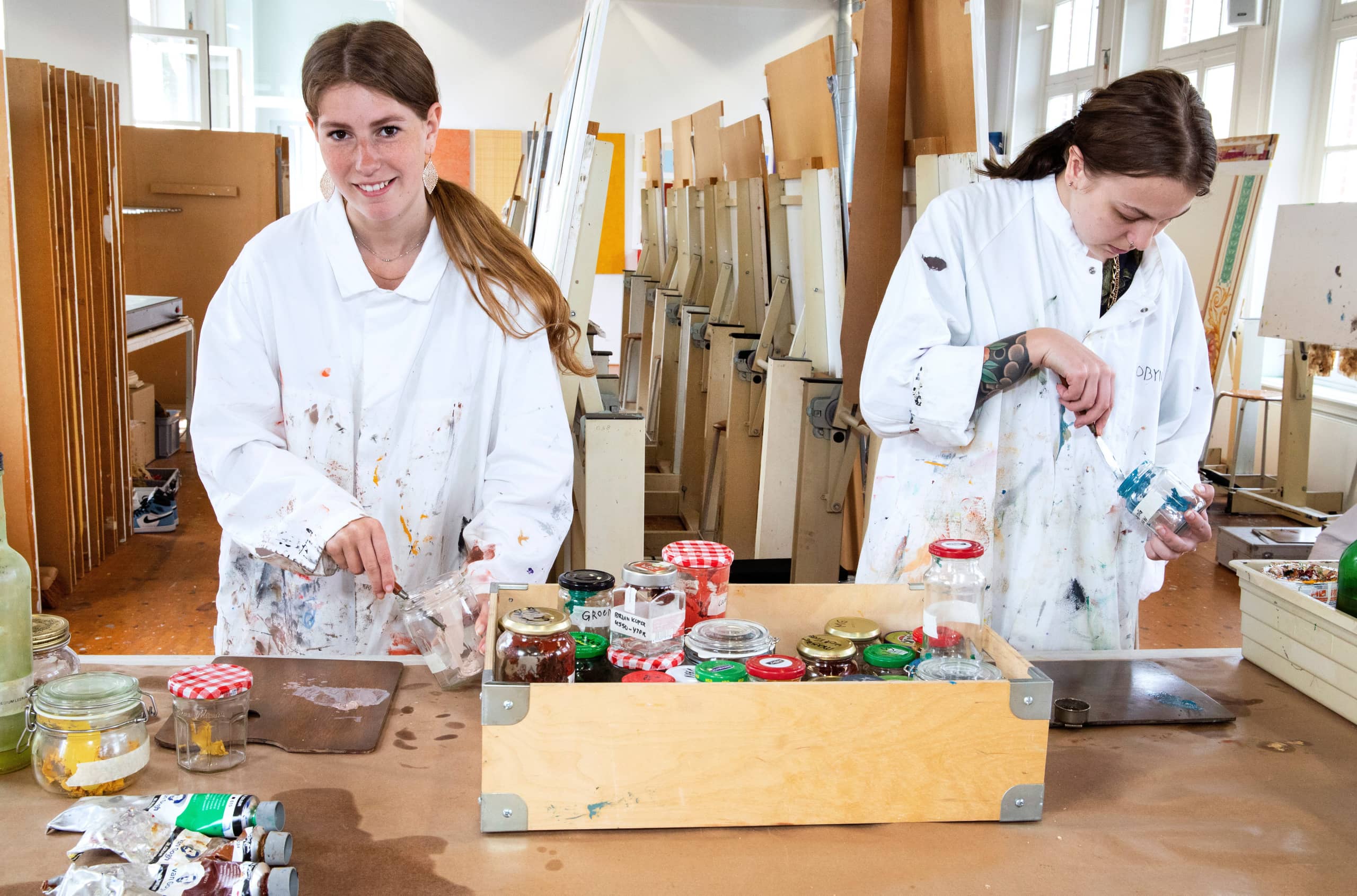
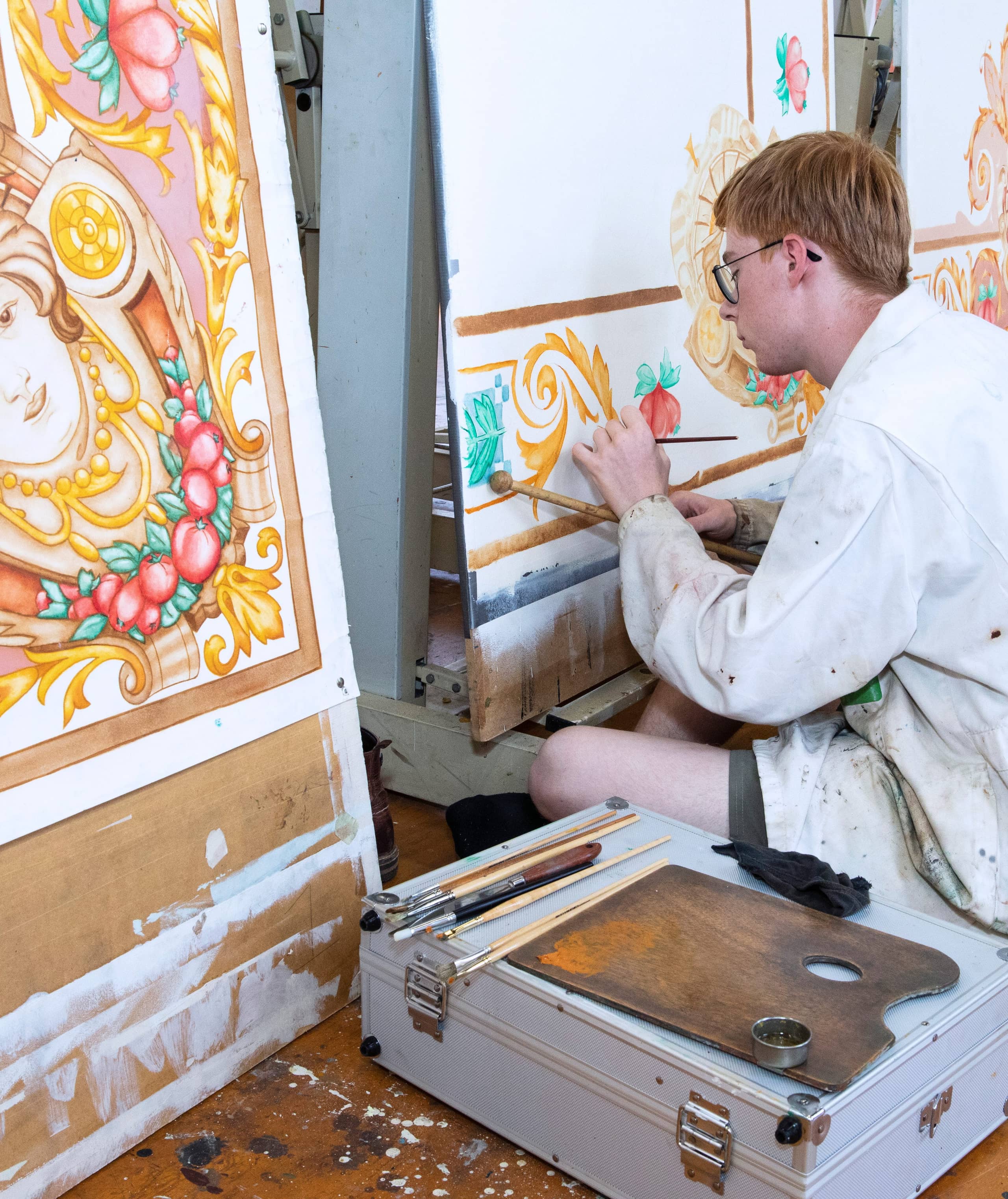
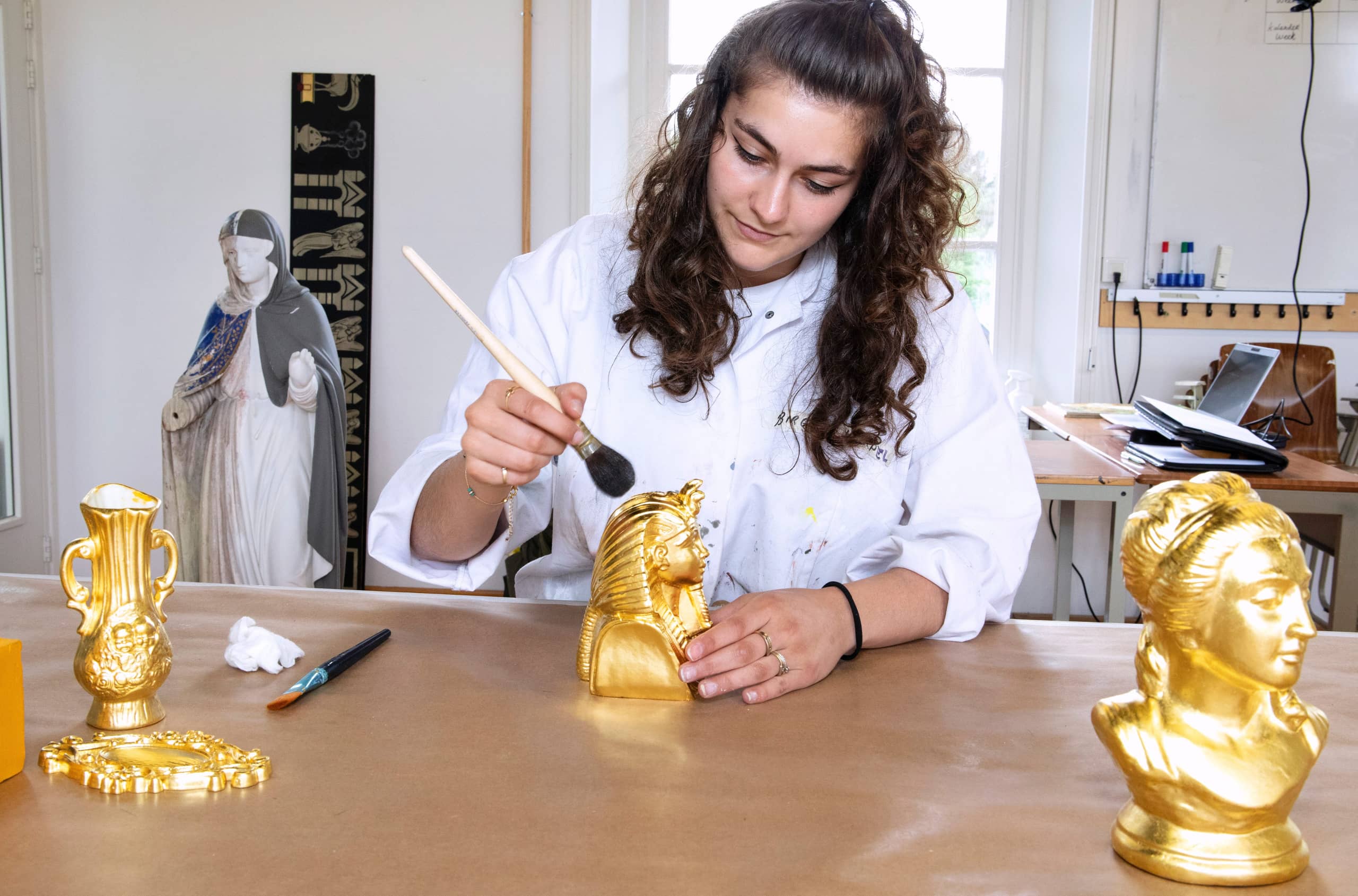
As a trainee decorative and restoration painter, you will work in our workshop. Here, you will complete various assignments and modules in which you learn to apply different techniques and materials, such as imitation and decorative painting techniques. You will also learn how to apply gold leaf and use other gilding techniques.
You will develop various research skills needed for restoration painting, both for interiors and exteriors. In addition, you will learn how to prepare professional advice and put it into practice in a realistic project.
What will I be doing?
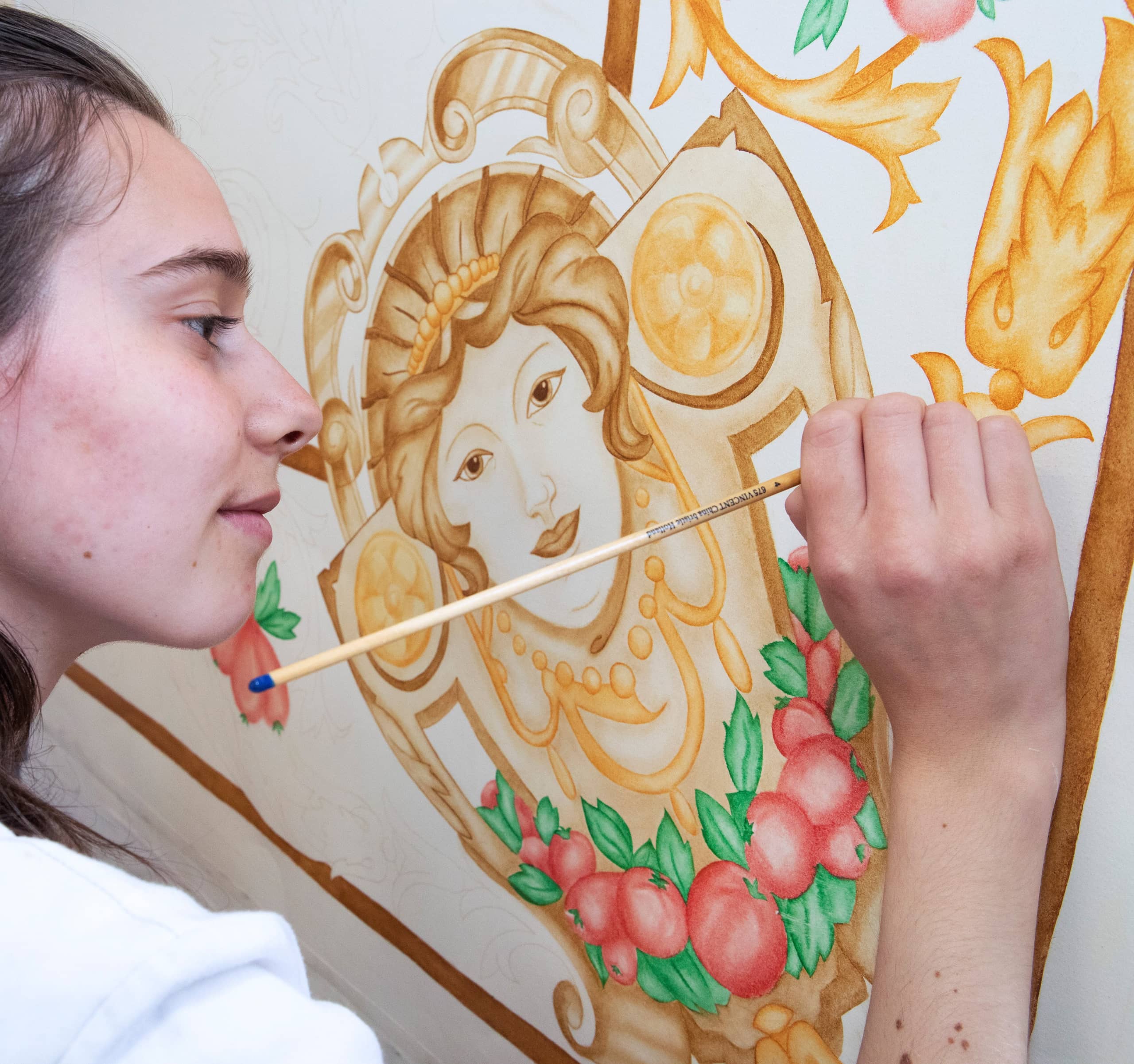
As a trainee decorative and restoration painter, you will work in our workshop. Here, you will complete various assignments and modules in which you learn to apply different techniques and materials, such as imitation and decorative painting techniques. You will develop various research skills needed for restoration painting, both for interiors and exteriors. In addition, you will learn how to prepare professional advice and put it into practice in a realistic project.
In the workshops, you will work on assignments that teach you processes and techniques relevant to professional practice. In real-life projects, for example, you might restore wall decorations in a historic building or create a new mural in a public space.
What will I learn?
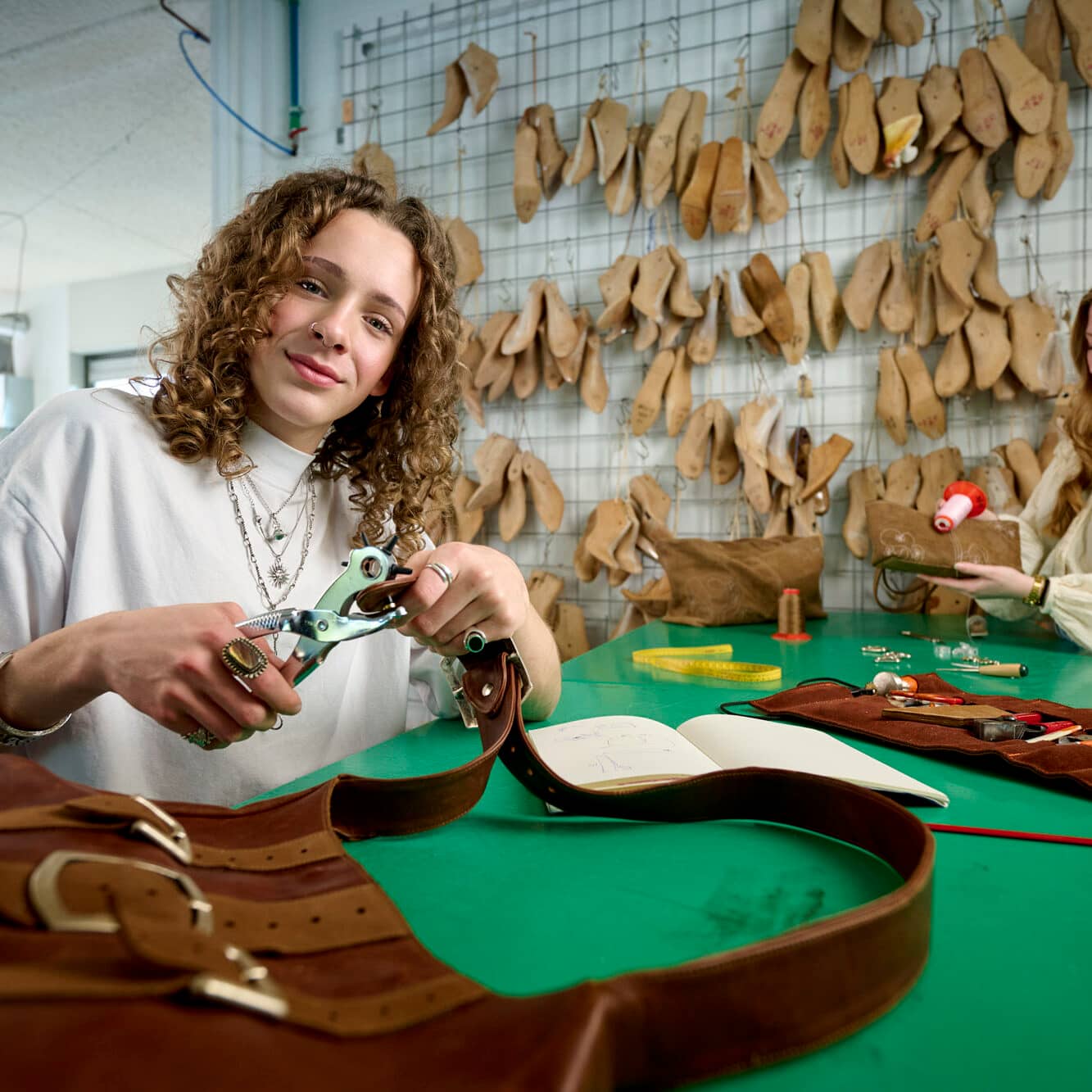
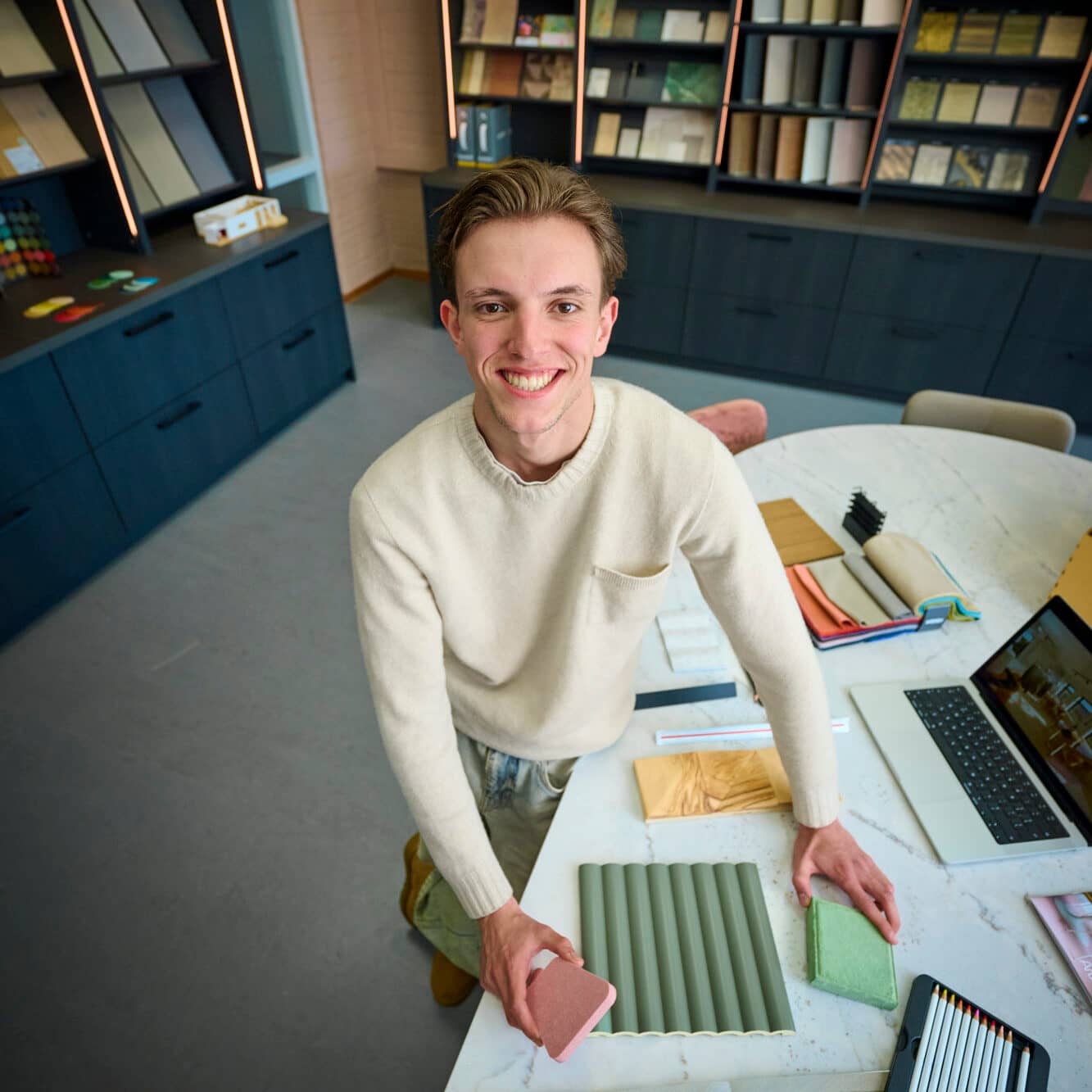
You will develop knowledge and skills in imitation techniques, gilding, decorative and restoration techniques, design, hand drawing and computer-aided drawing, colour design, materials knowledge, paint technology, entrepreneurship and cost calculation.
Where can I do my work placement?
You can do your internship at a variety of painting companies, for example:
- Painting companies specialising in maintenance, decoration and restoration
- Specialist painting companies working for private clients, theme parks or theatre set design
- Monument restoration companies
- Furniture restoration companies
- Picture frame makers
Student Linde Troch undertook her work placement at T. Nijhoff Schildersbedrijf in Dordrecht. Watch a video about her work placement here.
What skills do I need, and what should I enjoy?
You have good practical, spatial and technical insight. You enjoy working with your hands and have an interest in interiors, colour and design. You also have an eye for detail and work very precisely. You enjoy researching the history of buildings and objects. Do you recognise yourself in this? Then there’s a good chance you have what it takes to become a decorative and restoration painter!
What can I do after SintLucas?
After completing the Decorative and Restoration Painting programme at SintLucas, you can:
- Start your own business or work for companies that carry out restoration work or provide advice on restoration projects
- Work on decorative painting projects in theme parks, interiors or buildings
- Continue your studies at a university of applied sciences (HBO) in areas such as interior design, construction, decoration or restoration
What are our former students doing now?
SBB has produced a video about the work of former student Ella Odekerken. You can watch this video here. Former student Pascale Sijberts, Head Decorator at P&P Projects, also completed the Decoration and Restoration Painting programme – watch the video here.
How does the application and admission process work?
From 30 October 2026, you can apply via the website and you’ll receive an invitation to a matching interview. You can bring along some creative work or complete an assignment, after which you’ll receive a positive or negative study recommendation. You are always eligible for admission and can make an informed choice yourself. Read more about application and admission here.
If you have any questions about this, please send an email to aanmelding@sintlucas.nl.
Student Mirthe
“I find the course to be a varied and educational programme. It is vocationally oriented and focuses largely on the technical aspects of painting. We work on various module assignments through which you learn everything: from the design phase right through to the handover of a project. You also learn a great deal about paint systems, (imitation) techniques and carrying out (fictitious) client commissions. Thanks to this broad knowledge, which you gain during the course, you’ll be able to start working in the industry straight away after you graduate.”