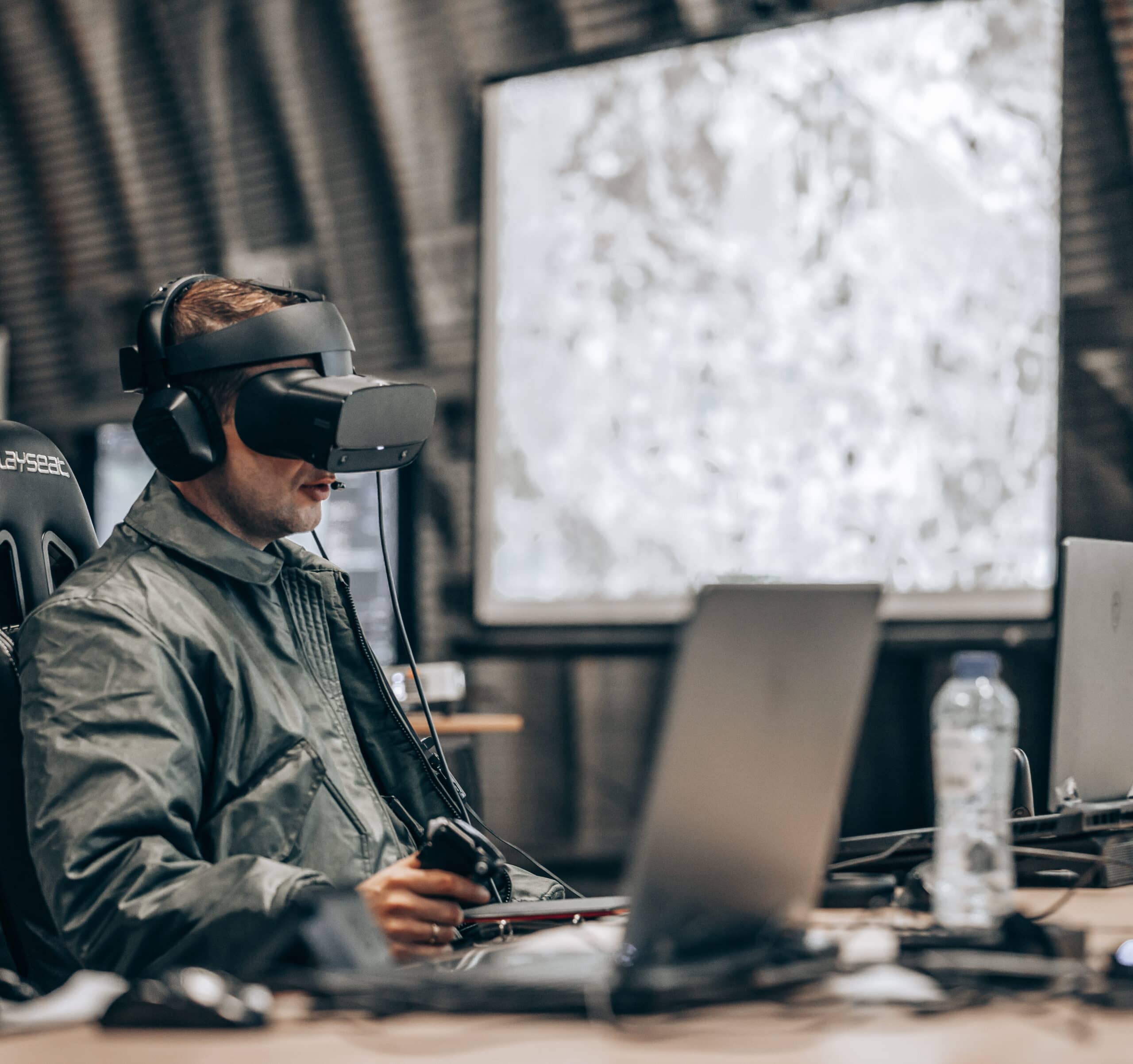
A virtual set for a major musical at the theater. A store window that comes to life. Or a simulation environment for pilots to practice in. Do you want to design an experience with a “wow” factor? Turn your story into experiences?
In the Immersive Experience program, you’ll learn how to combine the latest technology with the real world to immerse users in an interactive experience. There is high demand for these specialists who can design, understand technology, and build it. Opportunities exist in the entertainment and TV industries, the gaming industry, museums, and even the healthcare sector.
The first year of the program is a broad orientation year, during which you’ll be introduced to all aspects of the field. Starting in your second year, you can specialize as an immersive designer or an immersive technician.
Open Days and our study choice evenings
8 November 2026 from 10.00 till 15.00 p.m.
30 January 2027, from 10:00 a.m. to 3:00 p.m.
9 March 2027, from 5:00 p.m. to 8:00 p.m.
15 April 2027, from 5:00 p.m. to 8:00 p.m.
11 May 2027, from 5:00 p.m. to 8:00 p.m.
Location and training duration/level
Eindhoven
4 years
Level 4
Admission requirements
Minimum diploma vmbo-kaderberoepsgerichte leerweg
Transition certificate from havo 3 to 4
Diploma
Immersive designer (crebo 27079)
Immersive technician (crebo 27080)
What do I make?
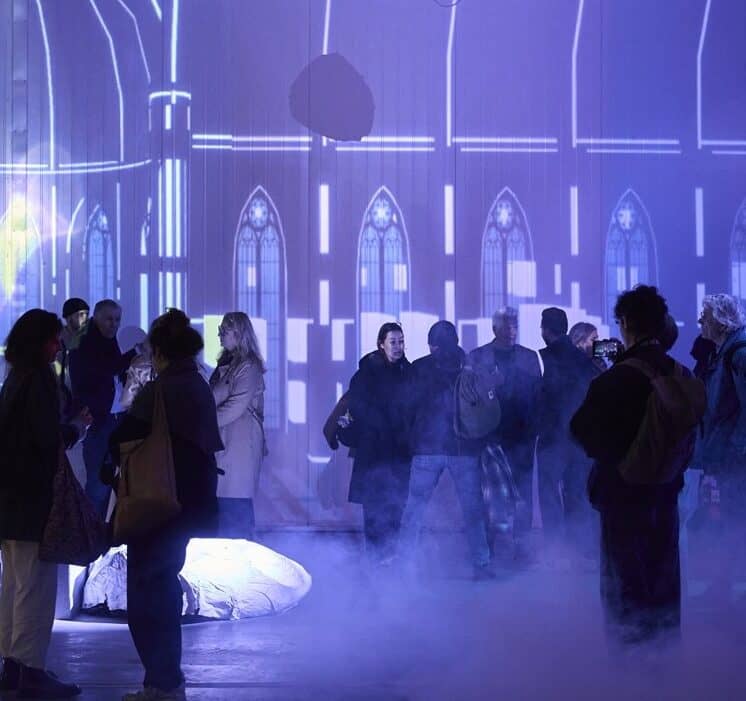
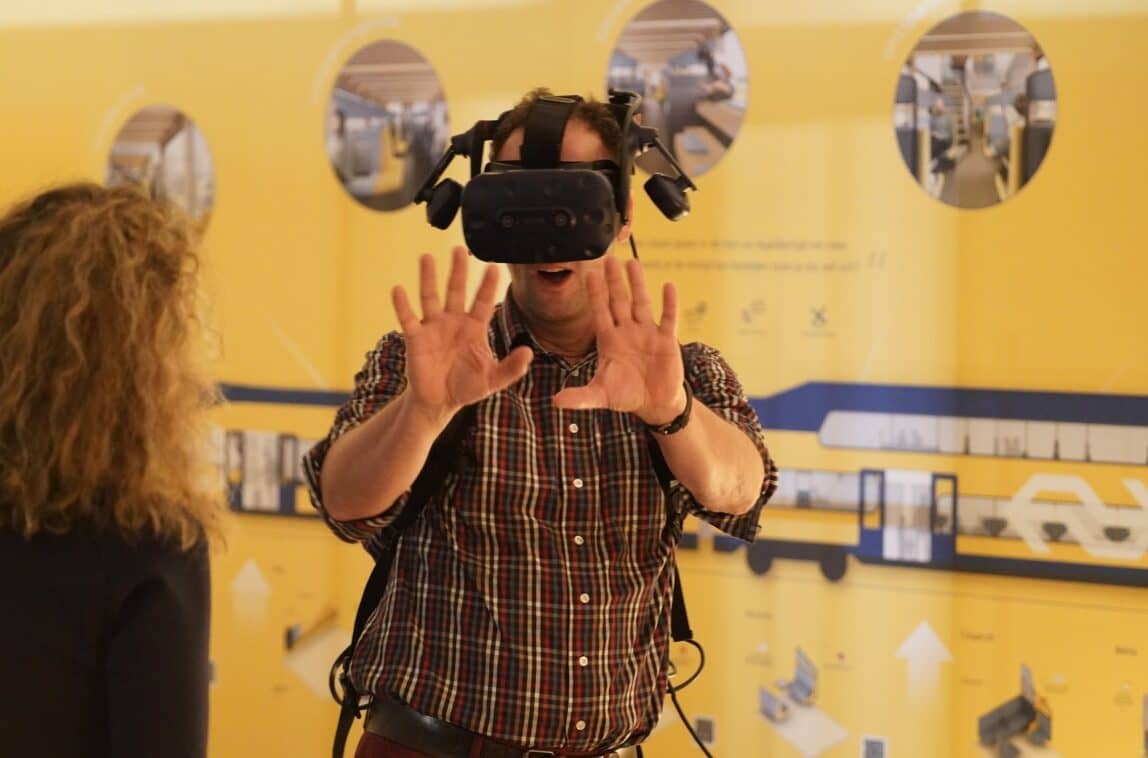
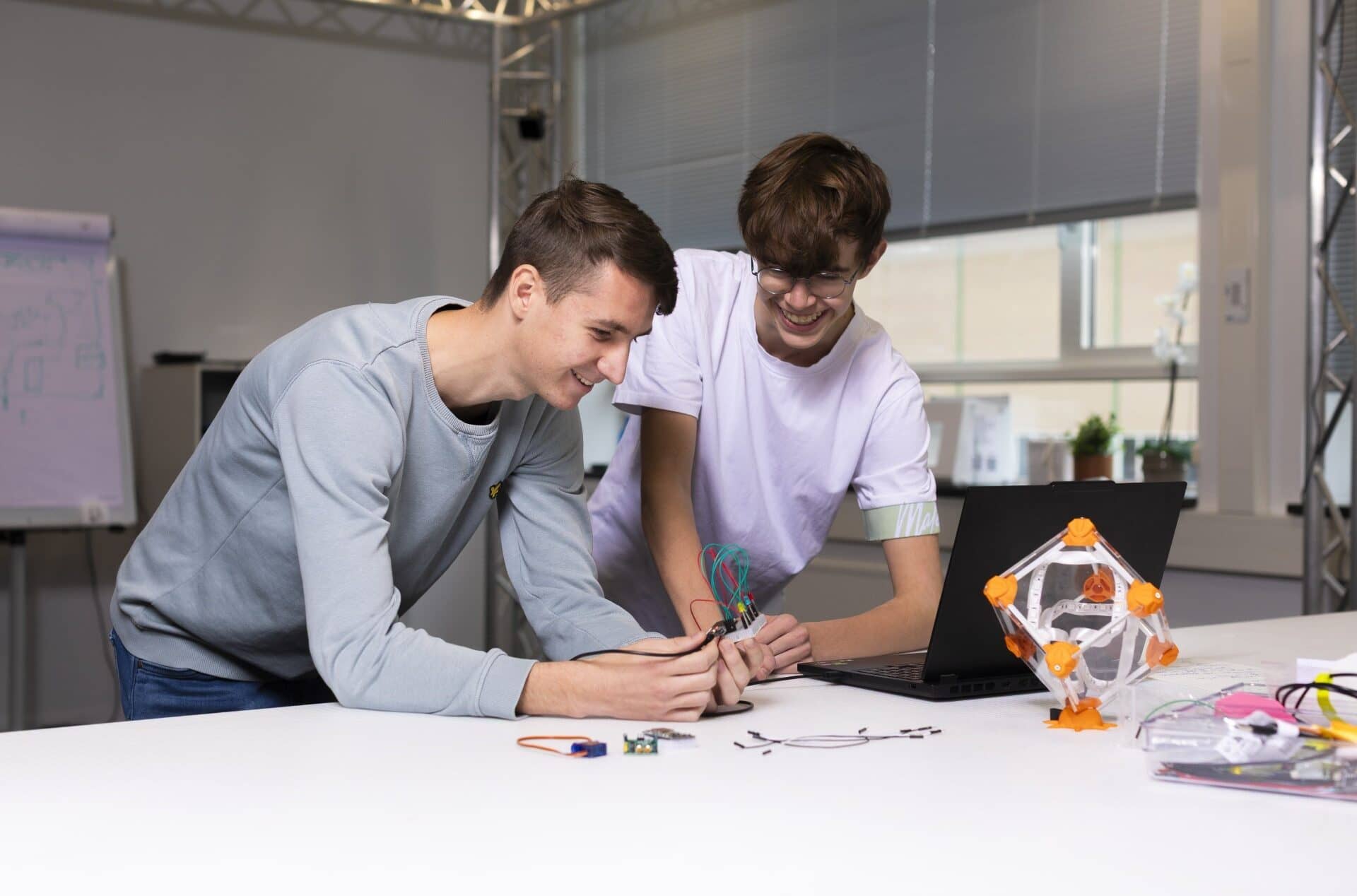
As an Immersive Experience student, you’ll learn to create experiences for various applications and platforms, such as virtual productions that combine the digital and real worlds. Examples include:
- Virtual escape rooms
- Fashion shows featuring holograms
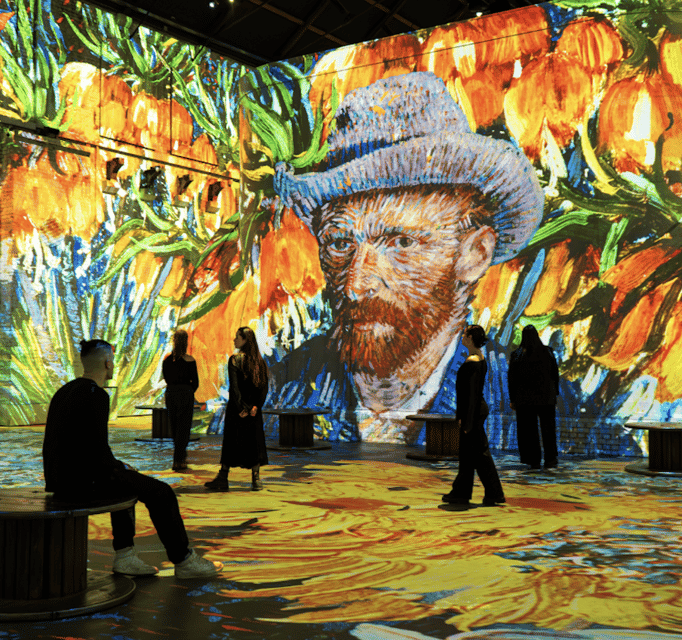
- Art installations in museums
- Film productions using real-time 3D
- Applications for hospitals to practice surgeries
- Games for the entertainment industry
What do I learn?
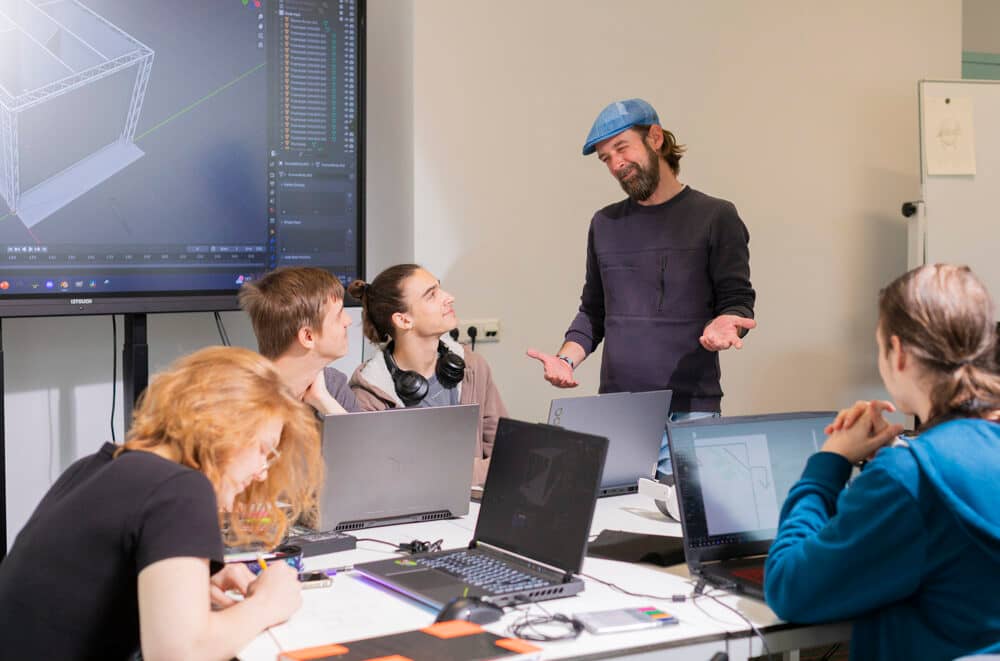
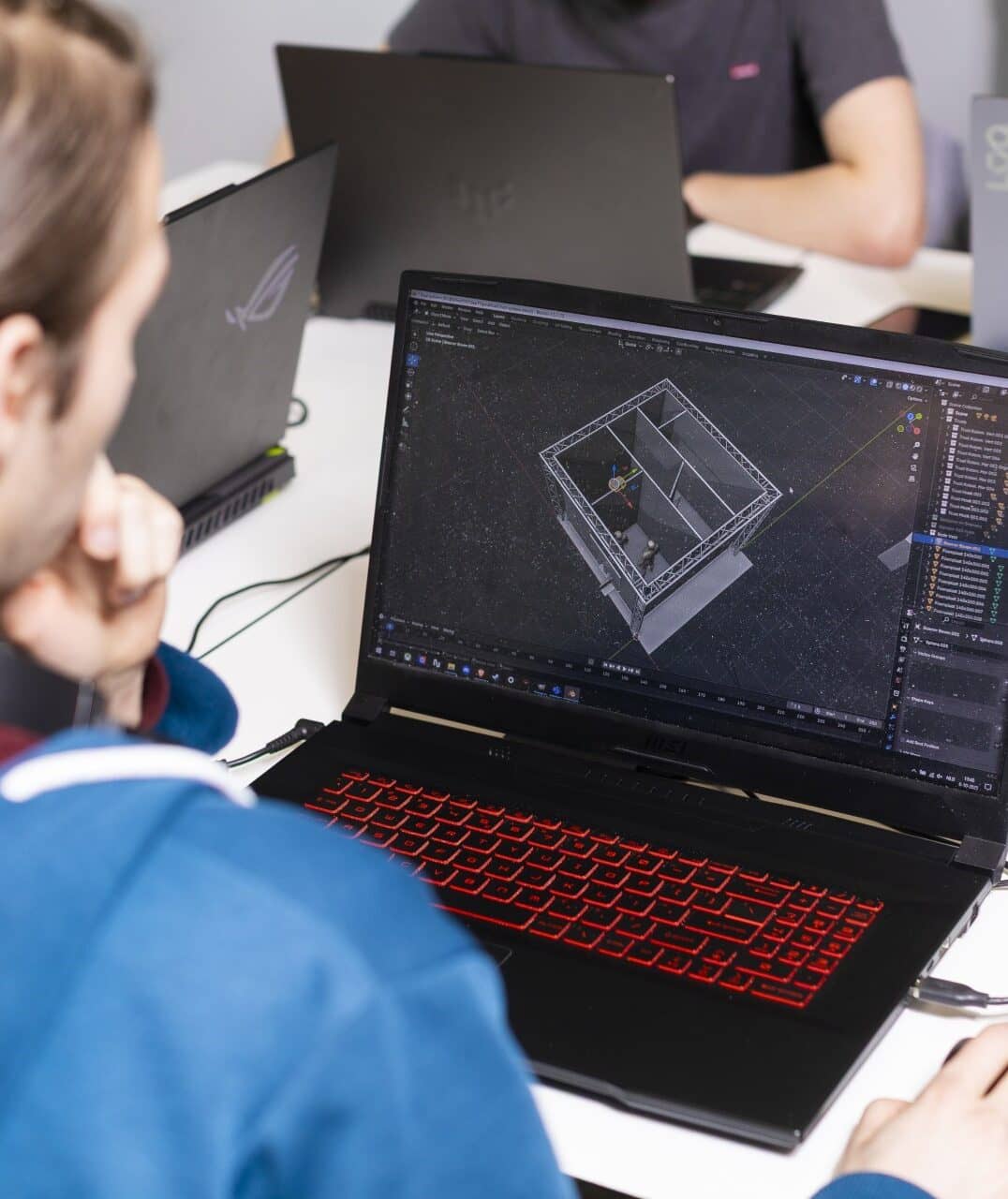
During the program, you’ll learn to use interactive techniques to create experiences, apply storytelling, psychology, and visualization, work with 3D software such as Unreal Engine and Blender, and develop interactions using spatial sensors. You’ll also go on field trips, work on challenges for real companies, and take classes in Dutch, English, math, and civics. There are two specialization tracks:
Immersive Designer: You’ll create designs for immersive experiences. You’ll conceptualize the overall look and feel and work with visuals, sound, interaction, and real objects that enhance the experience.
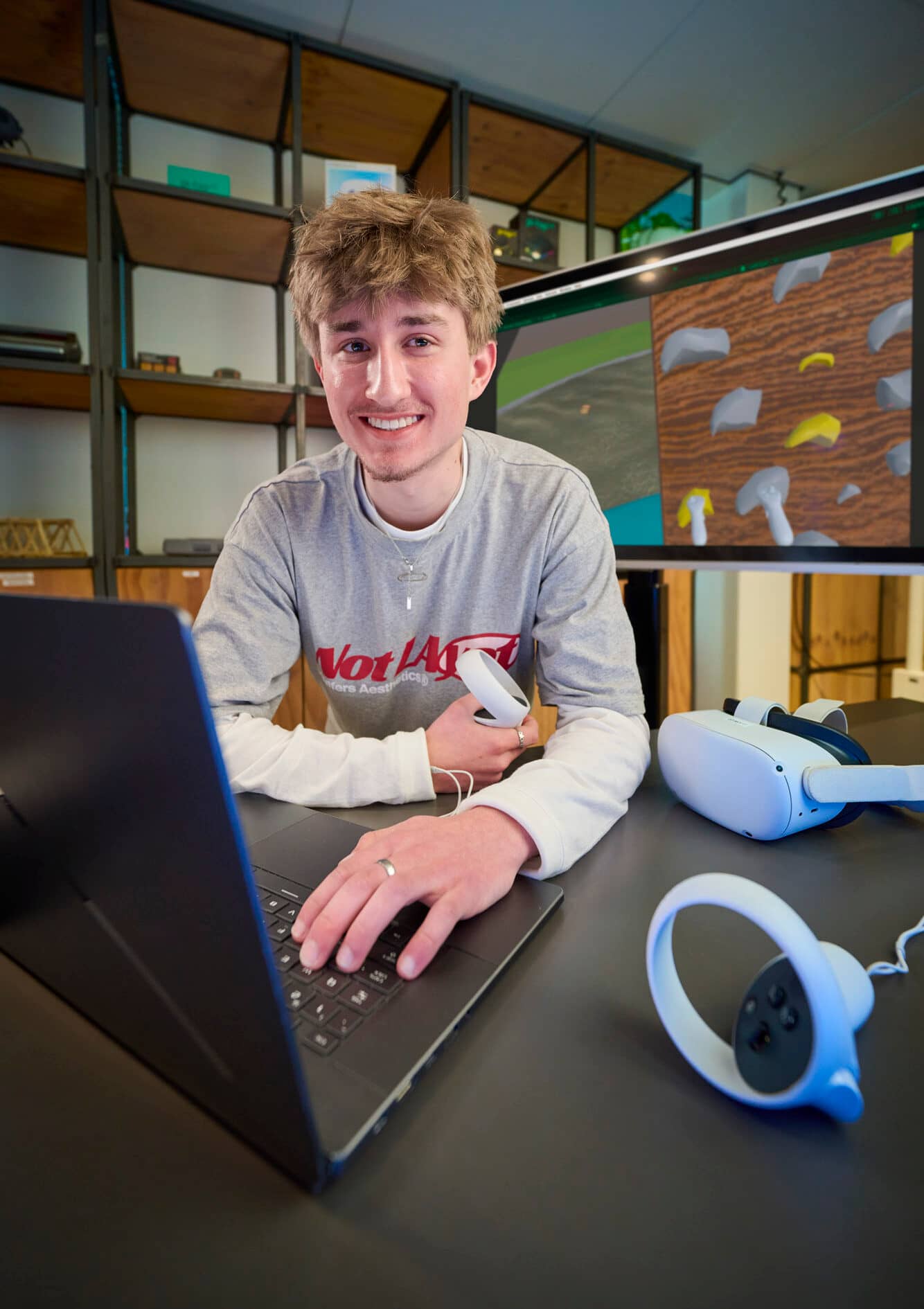
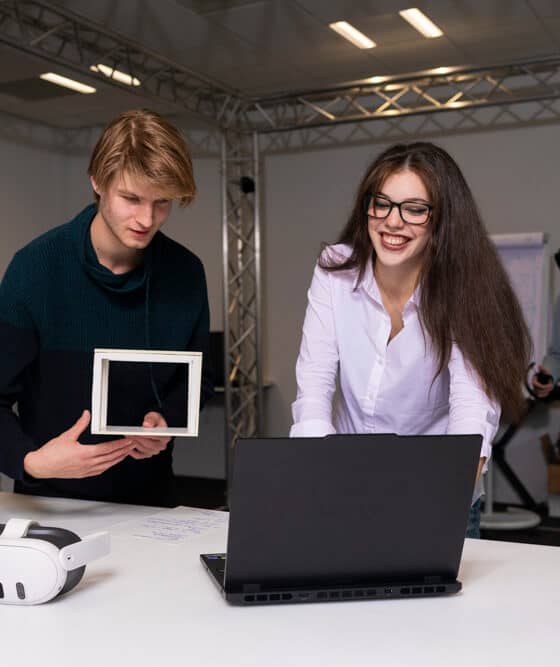
Immersive Technician: You’ll primarily focus on the technical side of the experience. You’ll bring the design to life by developing and integrating technological applications, such as virtual and augmented reality (VR/AR), game engines, and sensors.
Where do I do my internship?
Depending on your interests and learning goals, there are internship opportunities throughout the Netherlands. You’ll work with subject matter experts to create immersive experiences for clients such as software companies, film production companies, amusement parks, museums, and game studios. During your internship, you’ll put your skills to immediate use, learn from professionals in technology, design, and user experience, and help create experiences that people will remember.
What should I be able to do and like?
To develop immersive experiences, you need a team of diverse professionals, so you’re a team player who enjoys collaborating. You’re curious about new technologies, use your creativity to solve complex problems, and are flexible, determined, and eager to learn and experiment.
What can I do after SintLucas?
This field is growing rapidly, which means there are many career opportunities for immersive specialists. After completing the programme, you can work for companies that specialise in creating immersive experiences. There are also opportunities at architecture firms, media companies, game studios and event organisations.
You could work as an immersive designer, VR developer or technician specialising in physical computing, for example. If you prefer to work independently, you can work as a freelancer on large-scale projects.
If you are interested in continuing your studies, a higher professional education (HBO) programme in areas such as interactive media, game design, game development or spatial design would be a good fit.
How does application and admission work?
Starting October 30, 2026, you can apply for the program through the website. After you apply, you’ll receive an invitation to a matching interview with a faculty member and a student, during which we’ll work together to determine whether you and SintLucas are a good fit. You can bring some of your creative work with you or complete an assignment in preparation. After the interview, you’ll receive an admission recommendation—whether positive or negative—but you’re always eligible for admission, and ultimately, you’ll make your own informed decision. Read more about application and admission here.
If you have a question about this, please send an e-mail to aanmelding@sintlucas.nl.
Student Joey:
“I chose this program because it teaches you to think and work in a broad way. You’re challenged to work with the latest technology, and that’s what makes it interesting for me every single day.”
Study Structure Immersive Experience
Central focus: what does an experience entail? In the first year, you will get acquainted with the broad field, ranging from analogue to digital, and from physical to online. You will receive assignments across the full spectrum, divided over four periods. You start by jointly developing a haunted house, low-tech and focused on construction and experience. From there, you work towards a VR production that creates a sense of coziness and comfort during the dark days, fully digital but with limited interaction. Next, you develop a prototype of an escape room that combines physical elements and interactivity, where storytelling plays an important role. In the final period, you work on an interactive game using, among other things, a Makey Makey kit
Central focus: developing professional skills and choosing between technology or design.
In the second year, you will dive deeper into professional skills, and the assignments will have a longer duration. The year starts with a Virtual Production project lasting half a year, in which you create an experience from start to finish in the form of an interactive TV show. During this period, you will also choose between the technology and design tracks. Technicians will mainly focus on the backend and interaction, while designers concentrate on aspects such as the visual appearance of scenes and the props required. The second half of the year consists of real assignments, challenges pitched by companies, as preparation for the internship in year 3.
Phase 3 consists of two internship periods, each lasting half a school year. The first internship takes place at the beginning of the third year, and the second at the end of the fourth year. During your internships, you gain practical work experience: initially mainly to learn, and during the second internship as an active member within a company. In the year between the internships, you work on various projects and deepen your knowledge through targeted training. This period also includes your assessments. You will use your work from this phase and your internships to demonstrate that you have reached the level of a starting professional.